

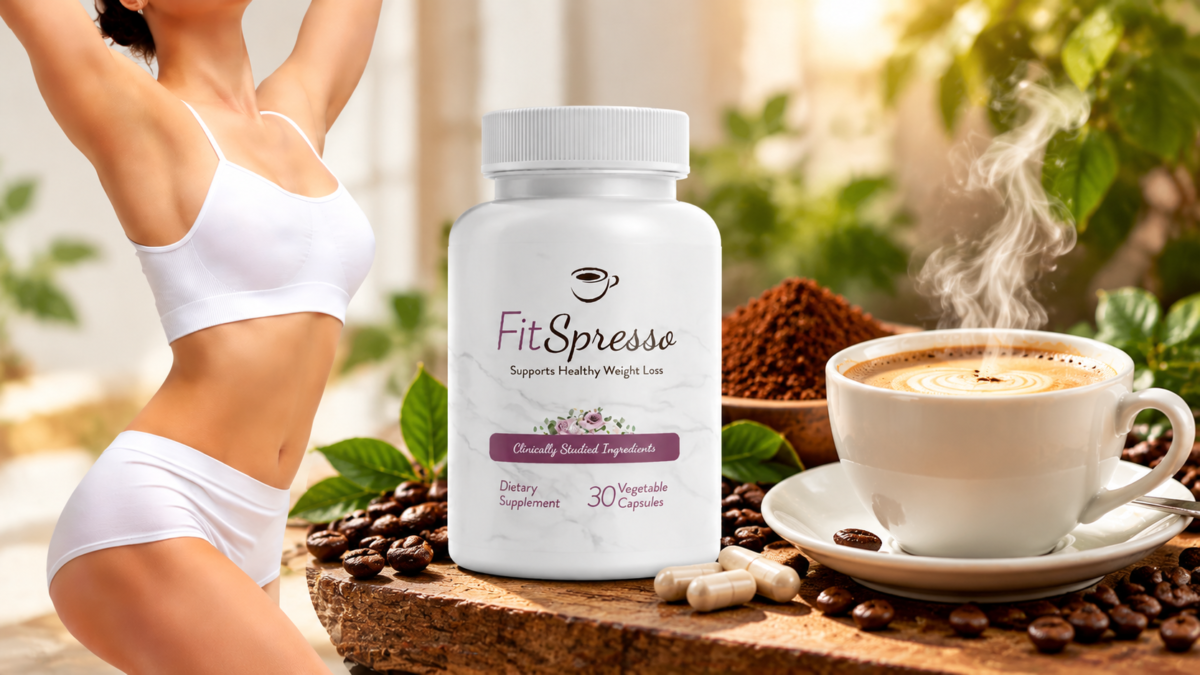
My Guide to FitSpresso Benefits and What I Should Know
A capsule that promises to fit beside my morning coffee sounds easy to add, especially when weight management already feels like work. The harder part is knowing what to expect. Convenience does not prove that a supplement delivers its advertised effects.
FitSpresso benefits may attract people hoping for weight support, steadier energy levels, or a simpler wellness routine. I would separate those marketing claims from effects shown for this product, rather than treat them as the same thing. Health choices deserve that care.
I will weigh the ingredient list, product-specific evidence, safety, value, and fit with everyday habits. I will also consider what the stated routine involves, without assuming it suits everyone. My aim is a balanced assessment that sets useful expectations, then looks at what the product is and how it is described for use.
What Is FitSpresso and How Is It Meant to Be Used?
FitSpresso comes in capsules, not as a coffee powder or drink mix. It is sold as a capsule-based dietary supplement, and each bottle contains 30 capsules. Simple describes the format, not its effect.
The stated recommended intake is two capsules daily. The product is marketed for use alongside coffee, but the pairing does not itself show a special effect or prove that coffee changes the formula’s impact.
- Product type: A capsule-based dietary supplement.
- Pack size: One bottle contains 30 capsules.
- Stated daily directions: Take two capsules daily.
- Coffee pairing: The marketing presents the capsules as a supplement to take alongside coffee.
The directions make the day-to-day routine easy to picture. The capsule count also lets me compare one bottle with the stated serving, though it does not answer whether the ingredient amounts are clear or useful.
Taking a capsule with coffee is a way to pair two parts of a morning routine. It is not evidence that the blend speeds weight loss, changes metabolism, or works better with a drink.
A routine can be easy to follow and still have uncertain benefits. That distinction leads to the specific results people may expect the product to deliver.
FitSpresso Benefits: Which Claims Matter Most?
FitSpresso is promoted for weight management, appetite, energy, and metabolic support. Those claims describe the intended benefits, not established outcomes for this product.
Marketing claims are not proof that FitSpresso causes a benefit. I would look at each claim in plain terms and ask what it could mean in daily life.
| Claim area | What is claimed | Possible reader-relevant meaning | Important limit |
|---|---|---|---|
| Metabolism and calorie use | Support for metabolism and calorie use | A hoped-for change in how the body uses energy | A claim does not show a product effect |
| Appetite and cravings | Help with appetite or cravings | Fewer urges to snack between meals | People may respond differently |
| Energy and focus | Support for energy and focus | Feeling more alert during the day | Feeling alert is not weight loss |
| Blood sugar support | Support for blood sugar | A general wellness claim about blood sugar | It is not treatment for a condition |
These areas can sound connected, but they are separate claims. A person may feel more alert without losing weight, and a change in appetite would not prove a metabolic effect.
Anyone seeking treatment for a medical condition should not treat a supplement benefit claim as a substitute for care. I would keep that line clear even when the wording sounds reassuring.
The claims depend in part on proposed mechanisms, which raises a practical question: how does the product describe fat burning and metabolism?
How Does FitSpresso Claim to Support Metabolism and Fat Burning?
Thermogenesis is the process by which the body produces heat, using energy in the process. FitSpresso’s marketing links thermogenesis and coffee with calorie use, but that link is a proposed explanation.
Mechanism language alone cannot show that a capsule causes meaningful fat loss. A biological process can be real without proving that this specific formula changes it enough to affect weight.
The proposed role of thermogenesis and coffee
The marketing presents coffee and the formula as a possible way to support calorie use. Thermogenesis describes heat production, but the term does not tell me how much energy a person might use.
Coffee can be part of a daily routine, while a capsule adds another ingredient blend. Neither fact, by itself, shows how the combination affects the body or whether the change matters for weight.
What a “fat-burning mode” claim does not establish
“Fat-burning mode” is promotional wording, not a clinical measure. It does not establish that the body remains in a continuous state of fat loss or that a capsule switches such a state on.
Energy balance and day-to-day habits still matter. Food intake, activity, sleep, and other parts of a person’s routine can shape weight over time, so a proposed mechanism is only one part of the picture.
The practical question then shifts from a mechanism to eating: can the product reliably change appetite or eating habits?
Can FitSpresso Help With Appetite and Eating Habits?
Someone might notice fewer cravings and wonder whether a supplement caused the change. One change is not enough to tell, and appetite effects remain claims to assess rather than guaranteed results.
I would track patterns over time instead of treating a single day as proof. A simple note can show whether eating habits shift, while also recording how I feel.
- Hunger between meals: Note when it appears and how strong it feels.
- Cravings: Record what you want and when the urge starts.
- Meal satisfaction: Notice whether meals feel filling.
- Snacking: Track how often you snack and what prompts it.
- Well-being: Note whether eating changes without feeling unwell.
These observations can make a perceived change easier to describe. They cannot by themselves show that FitSpresso caused it, especially if other parts of a routine changed at the same time.
Stress, sleep, medications, and health conditions can also affect appetite. A shift in hunger or cravings should not automatically be credited to the supplement.
Appetite is only one part of the marketing. The product also makes separate statements about blood sugar and energy levels.
What Does FitSpresso Claim About Blood Sugar and Energy Levels?
A general wellness claim about blood sugar is not treatment for a blood sugar condition. FitSpresso also promotes support for energy levels throughout day-to-day activities, but those are claims, not measured outcomes.
Anyone managing blood sugar should keep following their clinician’s plan and monitoring advice. A supplement claim should not replace care, blood glucose checks, or medical advice.
“Blood sugar support” can sound specific, yet it does not say how the product affects a person’s readings. It also does not establish that the formula treats diabetes or another health condition.
The phrase “sustained energy throughout day” suggests steady energy, but the wording alone cannot confirm that experience. People may feel an energy shift for many reasons, including sleep, food, stress, and coffee.
Feeling more alert is different from losing weight or body fat. Increased energy may change how a day feels, but it does not prove that the body burned more energy or that weight changed.
Those limits make the next question important: what evidence would support reliable weight-loss results for this product?
What Evidence Supports FitSpresso Weight Loss Results?
Claims and anecdotes alone do not establish reliable product-level weight-loss results. The key distinction is whether evidence tests the finished formula, rather than a general idea or one ingredient.
A controlled study of the finished formula would be more relevant than a testimonial. Results can differ between individuals, and one person’s experience cannot establish typical outcomes.
| Evidence type | What it may tell me | What it cannot establish | How I should interpret it |
|---|---|---|---|
| Proposed mechanism | How a claimed effect might work | That FitSpresso causes weight loss | A rationale, not a result |
| Research on an individual ingredient | What that ingredient may do in studied settings | That the finished blend has the same effect | Consider dose and formula |
| Personal testimonial | One person’s reported experience | Typical results or a cause-and-effect link | Anecdotal, not representative |
| Controlled study of the finished formula | Product results under set conditions | That every person will respond alike | Most relevant to product claims |
Ingredient research may help explain why a company chose a compound, but it is not proof that FitSpresso produces weight loss. The full blend, amounts, and study conditions matter.
A testimonial can describe a personal result, yet it cannot show how often that result occurs. A person’s diet, activity, health, and other factors may also affect weight.
That evidence standard leads to the ingredient list itself, and what the product descriptions actually name.
Which Ingredients Are Listed in FitSpresso?
Different FitSpresso descriptions name different ingredient combinations. That difference matters because an ingredient list is not interchangeable with another version’s list.
I would check the current bottle’s Supplement Facts panel and serving amounts before buying. A familiar ingredient name does not prove the formula, dose, or effectiveness.
Ingredients named in one formula description
One formula description names Capsicum Annum, Panax Ginseng, Chromium Picolinate, L-Carnitine, Milk Thistle, and Banaba Leaf. These names belong to that description, not necessarily every bottle or formula presentation.
The list includes plant-based names and other compounds. The names alone do not show how much of each ingredient a serving contains or whether the amount matches research on that compound.
Ingredients named in another formula description
Another description names chlorogenic acid, L-Carnitine, EGCG, Chromium Picolinate, and L-Theanine. Two ingredients appear in both descriptions, while the other named compounds differ.
I would compare the actual Supplement Facts panel with the product description before placing an order. The label should make the ingredients and amounts clear enough to assess.
Ingredient names alone reveal neither dose nor expected outcome. The next useful step is to understand what the listed compounds may generally do.
What Might FitSpresso’s Ingredients Do?
An ingredient’s reputation does not tell me its dose or effect in this product. Context matters: research on a single compound cannot establish a finished blend’s result.
Without clear amounts, I cannot match a product serving to research on an ingredient. These are broad descriptions, not claims that any compound causes FitSpresso weight loss.
- Capsicum Annum: A pepper plant name often linked with heat and energy use.
- Panax Ginseng: A plant often described in relation to energy and focus.
- Chromium picolinate: A chromium form commonly discussed in relation to glucose use.
- L-Carnitine: A compound involved in moving fatty acids within cells.
- Milk Thistle and Banaba Leaf: Plants often described for general wellness or blood sugar support.
- Chlorogenic acid and EGCG: Compounds often discussed in relation to metabolism and energy use.
- L-Theanine: An amino acid often linked with calm focus.
These descriptions explain why such names may appear in a supplement formula. They do not show that the body will burn more energy, lose fat, or gain a measurable benefit from this blend.
Natural ingredients are not automatically effective or right for every person. The formula, amount, and individual response all matter, and a label is needed to judge the actual serving.
That uncertainty makes safe use alongside coffee, medication, or health conditions the next practical concern.
Is FitSpresso Safe to Take With Coffee or Medication?
Someone who already drinks strong coffee may wonder whether an unfamiliar capsule is a good addition. Coffee and supplement ingredients can affect people differently, so personal tolerance matters.
I would check the full label and ask a clinician or pharmacist when health or medication concerns apply. Dietary supplements are not FDA-approved to treat or cure medical conditions.
Coffee, caffeine, and individual tolerance
Coffee can affect how alert or restless someone feels, and people do not all respond the same way. The capsule formula may include ingredients that also affect a person’s experience.
I would not assume that a coffee pairing suits every routine. Reading the complete label helps me understand what the bottle names, while a clinician can help address concerns about personal use.
Medication, health conditions, and professional advice
Anyone taking medication, managing a health condition, pregnant or breastfeeding, or unsure about an ingredient should ask a clinician or pharmacist before use. That advice is especially important when the product’s actual ingredient list is not clear.
The supplement should not replace prescribed care or a clinician’s plan. General marketing language cannot show whether the formula is suitable for a particular person.
Personal suitability is one part of the choice. The next is how FitSpresso compares with other ways to manage weight.
How Does FitSpresso Compare With Other Weight-Management Options?
FitSpresso, everyday habits, and clinician-guided care differ in effort, evidence, and the support they provide. They serve different roles, so I would compare them by what I need.
A supplement is an add-on, not a substitute for sustainable habits or evidence-based care. People with a relevant medical condition may need professional support rather than a self-directed supplement trial.

| Option | What it involves | Potential role | Main limitation |
|---|---|---|---|
| FitSpresso | Taking a capsule-based dietary supplement | A possible add-on to a routine | Product-specific results are not established by claims alone |
| Everyday food and activity habits | Changes to meals, movement, and routines | Ongoing support for weight management | Habits take time and steady effort |
| Clinician-guided weight-management care | Support planned with a health professional | Care shaped around health needs | Access and care needs vary |
Everyday habits can include practical choices around food and activity. They may take effort, but a capsule cannot stand in for the day-to-day actions that support health.
Clinician-guided care can help people whose health needs call for more than a general wellness product. It can also help place a weight goal within a person’s broader health plan.
With those options in view, I can ask which readers might value FitSpresso’s particular routine.
Who Might Find FitSpresso a Practical Fit?
Someone who already drinks coffee and wants a simple morning routine may find a capsule easy to fit in. Convenience can suit a preference, but it does not make the product effective or right for everyone.
People should not start drinking coffee just to use FitSpresso. The routine only makes sense if it fits their habits and expectations.
People who value a low-friction morning routine
A person with an existing coffee habit may prefer capsules to adding a powder or mixing a drink. The stated daily directions are simple to picture alongside a morning routine.
That convenience may appeal to people who like a clear, repeatable step. It does not show that the supplement changes energy levels, focus, or weight in a reliable way.
People who need a different kind of support
Someone seeking guaranteed results, full ingredient transparency, or medical treatment may need another option or professional advice. A product with unclear ingredient amounts may not meet a person’s need to judge a formula closely.
People managing a health condition may need care shaped around their needs, not a self-directed supplement trial. A person who does not drink coffee should not feel obliged to start for the product.
Once I know whether the routine suits me, I can check the label and transaction details before ordering.
What Should I Check Before Ordering FitSpresso?
I would start by reading the actual product label, not relying on a short advertising claim. The label gives a more useful view of what I may be ordering.
Check the Supplement Facts panel, serving details, seller, and final checkout terms before placing an order. A headline cannot replace the details that affect cost and expectations.
Confirm the current label and serving details
I would look at the Supplement Facts panel, ingredient amounts, capsule count, and stated serving. The panel can help me compare the bottle with its description and judge whether key details are clear.
The serving matters when I consider how long a bottle may last. I should also compare the label with any claims shown in an advertisement.
Verify seller, checkout, and return terms
I would check who is selling the product, the final checkout total, shipping details, and written return conditions. These details can shape the transaction as much as the listed bottle price.
- Seller identity: Confirm the name shown at checkout.
- Final total: Review the full amount before paying.
- Shipping: Check the stated shipping details.
- Return terms: Read the written conditions and time limit.
Relying on an advertisement’s headline instead of the label and checkout details can leave important questions unanswered. A careful order check makes those details easier to compare.
With those checks in mind, the stated package prices and refund period can help me assess value.
What Does FitSpresso Cost per Bottle, and What Is the Refund Policy?
One bottle is listed at $69. The listed price rises to a larger upfront payment for multi-bottle packages, even as the stated per-bottle cost falls.
The stated money-back guarantee is 180 days. Listed prices and refund terms can change, so I would read the final checkout total and written return conditions before paying.
| Package | Total listed price | Price per bottle | Stated refund period |
|---|---|---|---|
| One bottle | $69 | $69 | 180 days |
| Three bottles | $177 | $59 | 180 days |
| Six bottles | $294 | $49 | 180 days |
The six-bottle package has the lowest listed per-bottle price, while the one-bottle option costs less upfront. A lower unit price does not mean the larger purchase is better value if I do not want that quantity.
A refund period is useful only when I understand its written conditions. I would check how the seller explains the return process and what steps the policy requires.
Those stated transaction terms give one view of value. Customer feedback may add context, but it needs careful reading.
What Do Customer Reviews and Complaints Suggest?
Customer feedback may be mixed, and I would read it as individual experience, not a guarantee. Personal reports can raise useful questions, but they do not show what every buyer will experience.
A complaint can flag an issue to check, but it cannot establish how often that issue occurs. Reports about a team or service are anecdotal unless broader evidence shows a pattern.
Some reports describe shipping delays, slow refund processing, or customer-service response times. Those accounts may prompt me to read the written terms and keep order details.
Other comments raise concerns about ingredient transparency or describe mixed personal results. Individual views on product quality and support can differ, and one person’s account cannot settle those questions for everyone.
Testimonials also have limits. Someone may report a change in weight or energy, but that experience does not show that the product caused it or that others should expect the same result.
I would use feedback as a prompt for specific checks, not as proof of a broad service or product pattern. A complaint deserves attention, while its frequency still needs context.
After separating reports from reliable conclusions, I can weigh the product’s personal value against my needs and budget.
Is FitSpresso Worth Trying for My Routine?
FitSpresso’s value depends on label clarity, personal suitability, cost, and realistic expectations. FitSpresso works is not a yes-or-no promise that applies to every person.
Convenience is different from proven weight-loss results. I would treat the product as a possible routine add-on, not as an established way to lose weight.

- Label: Are the ingredients and serving amounts clear?
- Budget: Does the cost fit what I can spend?
- Tolerance: Do I tolerate the ingredients and coffee pairing?
- Expectations: Am I realistic about possible results?
- Advice: Have I asked a clinician when that is appropriate?
These checks help me decide whether the routine and transaction make sense for my situation. If the label is unclear or the cost feels uncomfortable, convenience alone is not a strong reason to buy.
“FitSpresso works” can mean different things to different people, from feeling a change in energy to seeing a change in weight. A personal feeling does not prove fat loss or predict another person’s results.
Time, health needs, and daily habits can shape how a person judges value. I would not count on the supplement to replace food choices, activity, or medical care.
A cautious buyer should verify the label and terms before making a choice. That leads to the final takeaway: the actual bottle and written conditions matter most.
Conclusion
FitSpresso may appeal as a simple routine, but its claims need perspective. Convenient use does not establish weight-loss effectiveness or show that the formula will support my energy.
The ingredient names and marketing claims cannot replace clear product details or product-specific evidence. Checking the actual label helps me understand what is in the bottle and what serving the directions describe.
I would review the current Supplement Facts panel and written terms before deciding. If I have health or medication concerns, I would ask a healthcare professional first.
My next step is concrete: check the label and terms, then decide whether to buy.