


Is Type 2 Diabetes Dangerous? What to Know
Key Takeaways
Type 2 diabetes can be dangerous, especially when it goes untreated or complications go unnoticed. I also want to stress that risk is not fixed: treatment, regular screening, and support from a clinician can help protect health.
- High blood sugar over time can affect the heart, kidneys, eyes, nerves, feet, mouth, and skin.
- Some urgent problems, including severe dehydration or medication-related low blood sugar, need prompt care.
- Complications may develop quietly, so routine checkups and screening matter even when you feel well.
- Blood pressure, cholesterol, smoking, activity, and other health conditions can affect risk.
- A personalized care plan can help manage blood sugar and lower the chance of complications.
How dangerous is type 2 diabetes?
People often search, “Type 2 diabetes is it dangerous?” The honest answer is that it can be, but the diagnosis does not mean serious complications are inevitable. I find it useful to think of it as a long-term condition that deserves steady care, not a reason to panic. Learn more about type 2 diabetes and the role of ongoing management.
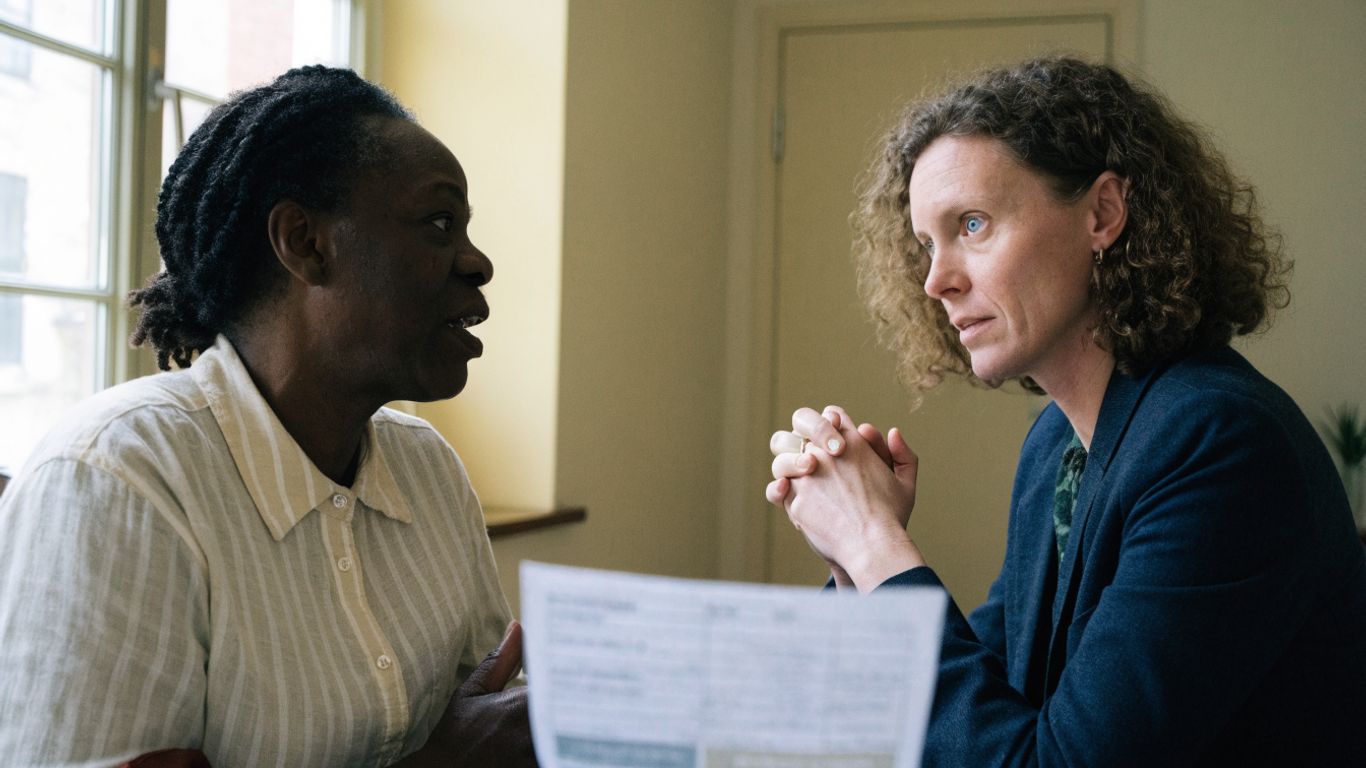
How high blood sugar can affect the body over time
When blood glucose stays higher than the body can manage, it can gradually harm blood vessels and nerves. Over time, that damage may affect several parts of the body, including the heart, kidneys, eyes, and feet. The changes can build slowly, which is one reason people may not notice a problem at first. Early, steady management matters because it gives you and your care team a chance to address risks before they lead to more serious harm.
Why complications vary from person to person
A diabetes diagnosis does not predict exactly what will happen to one person. The length of time someone has had diabetes, blood pressure and cholesterol levels, smoking, other health conditions, and access to care can all influence risk. Personal circumstances matter too: treatment needs and what is practical day to day are different for everyone. I would treat general risk information as a starting point for a conversation with a clinician, rather than as a forecast.
How early diagnosis and treatment can reduce risk
Early diagnosis gives a person and their healthcare team more time to make a plan, monitor changes, and address related risks. Treatment may involve blood sugar checks, medication, food and activity choices, and screening, depending on the person’s needs. A clinician can help set goals and adjust the plan as health or circumstances change. That kind of follow-through can lower risk, even though it cannot guarantee that complications will never occur.
Short-term emergencies to know about
Some diabetes-related problems can become urgent over hours or days rather than developing gradually. Knowing what to watch for can help you decide when to seek immediate care, but symptoms can have more than one cause. I would not try to diagnose an emergency at home when someone is seriously unwell. If symptoms are severe or rapidly worsening, call 911 or seek emergency care.

Hyperosmolar hyperglycemic state and severe dehydration
Hyperosmolar hyperglycemic state, or HHS, is a rare but serious emergency that can occur when blood glucose becomes extremely high and the body loses a great deal of fluid. It is most often associated with type 2 diabetes. Warning signs may include intense thirst, frequent urination, weakness, confusion, drowsiness, or difficulty staying awake. Severe dehydration or a change in alertness warrants immediate medical attention; do not wait for a routine appointment.
Low blood sugar as a possible medication side effect
Some diabetes medicines, including insulin and certain other glucose-lowering drugs, can cause blood sugar to drop too low. Signs can include shakiness, sweating, hunger, dizziness, confusion, or unusual irritability; severe episodes may cause a seizure or loss of consciousness. Ask your clinician what low blood sugar looks like for you and what steps to follow, especially if your medications change. GlucoTrust is described in its review as a blood sugar support supplement, not a substitute for prescribed diabetes treatment; if you are considering it, discuss supplements and possible interactions with your clinician first.
Symptoms that need emergency medical attention
Some symptoms call for emergency help rather than monitoring at home. Sudden confusion or fainting, a seizure, severe weakness, or difficulty waking someone are examples that should be taken seriously. A very high blood sugar reading along with dehydration or a marked change in alertness also needs urgent assessment. In these situations, call 911; do not drive yourself if you are impaired.
Long-term complications of type 2 diabetes
Over time, diabetes can affect more than blood sugar, and complications may occur in several parts of the body. These risks are real, but they do not develop in every person or at the same pace. I think it helps to connect routine checkups with specific parts of health, so the reason for each test feels less abstract. This overview of diabetes complications also describes why regular monitoring matters.

Heart disease and stroke
Diabetes can raise the risk of heart and blood vessel problems, including heart attack and stroke. Blood pressure and cholesterol also play important roles, so clinicians often consider them alongside blood glucose when reviewing overall risk. Chest pain, sudden weakness on one side, trouble speaking, or a sudden change in vision can be signs of an emergency. Call 911 for symptoms that may indicate a heart attack or stroke.
Kidney disease, vision loss, and nerve damage
High blood sugar over time can damage small blood vessels and nerves. The possible effects include kidney disease, changes to vision from eye complications, and nerve damage that may cause pain, tingling, or reduced sensation. These problems can be hard to spot early, so screening is useful even when there are no obvious symptoms. The table below shows why checks may cover more than one part of the body.
| Area | Possible complication | Why routine checks help |
|---|---|---|
| Kidneys | Gradual loss of kidney function | Early changes may not cause noticeable symptoms |
| Eyes | Diabetes-related damage to the retina | An eye exam can find changes before vision is affected |
| Nerves | Tingling, pain, or reduced sensation | Assessment can help identify changes and guide care |
The table is a reminder that feeling well does not always mean every system is unaffected. A clinician can recommend tests and exam timing based on your history and health. Report new symptoms rather than waiting for the next scheduled screening.
Foot, oral, and skin problems
Reduced sensation or blood flow can make foot injuries easier to miss and slower to heal. Diabetes can also be associated with gum problems and some skin issues, so dental care and attention to persistent changes are part of looking after overall health. Check your feet regularly for cuts, blisters, redness, swelling, or sores, and contact a clinician about wounds that are not healing. I would also report new mouth or skin problems that persist or worsen.
What can increase the risk of complications?
No single number or habit explains a person’s entire risk. Blood glucose is one part of the picture, while other health measures and daily circumstances matter too. I would use this section as a guide to topics worth reviewing with a healthcare professional, not as a list of things to blame yourself for. Risk can change over time, and a care plan can be adjusted as it does.

Blood sugar levels and time since diagnosis
Blood glucose levels that remain above an individual’s target can increase the chance of complications over time. The longer someone has diabetes, the more important it is to keep up with monitoring and recommended screening. A target that is right for one person may not be appropriate for another, so it is best set with a clinician. If your readings or symptoms change, share that information rather than changing treatment on your own.
High blood pressure and cholesterol
High blood pressure and unhealthy cholesterol levels can add to the strain on blood vessels and the heart. That is why diabetes care often includes monitoring these measures, not only blood glucose. A clinician can explain your results, discuss what they mean together, and recommend next steps that fit your health history. Keeping track of the numbers can help make those conversations more specific.
Smoking, inactivity, and other health conditions
Smoking, limited physical activity, and other health conditions can contribute to overall risk. These factors are not always easy to change, and I would not treat them as a measure of someone’s effort or character. Small, realistic steps may be more sustainable than trying to change everything at once. For example, a plan might include a short walk, support to quit smoking, or a check-in about another condition that affects diabetes care.
A few practical topics can help make a conversation with your care team more useful:
- Ask which blood glucose, blood pressure, and cholesterol goals are appropriate for you.
- Mention changes in activity, appetite, medication, or other health conditions.
- Discuss support for quitting smoking if you smoke and want help.
- Choose one manageable health habit to work on before your next visit.
The aim is to find steps that fit your life and medical needs, then revisit them as circumstances change. If you are not sure where to start, ask your clinician to help prioritize the next step.
Signs of complications and why screening matters
Some complications do not cause clear symptoms in their early stages. Waiting until something feels wrong can therefore mean missing a chance to identify a change sooner. Screening helps clinicians look for problems that may not be obvious in daily life. I see it as a practical part of diabetes care, even when a person feels well.
Why some complications develop without noticeable symptoms
Changes in kidney function, the eyes, or blood vessels may develop gradually and without pain. A person may feel healthy while a routine test reveals an early change that deserves attention. Screening is not a guarantee against complications, but it can help catch some problems earlier, when a care team can discuss options. Keep appointments even when your day-to-day symptoms seem unchanged.
Changes in vision, sensation, or kidney health to report
Tell a clinician about blurred or changing vision, new tingling or numbness, pain in the hands or feet, or wounds that are slow to heal. Swelling, changes in urination, or unusual fatigue are also worth discussing, though these symptoms can have many causes. Seek urgent help for sudden vision loss, sudden weakness, or other severe symptoms. For less sudden changes, contact your care team and ask how soon you should be seen.
Routine tests that can catch problems early
Depending on your health and care plan, routine follow-up may include blood glucose measurements, blood pressure and cholesterol checks, kidney tests, a dilated eye exam, and foot checks. Dental visits also help monitor oral health. Your clinician can explain what each test is looking for and how often you need it. If you are unsure which screenings are due, ask for a written schedule or bring the question to your next appointment.
How to lower risks and protect your health
There is no single routine that works for everyone, and diabetes care may shift as a person’s needs change. Still, a combination of medical follow-up and manageable daily habits can help reduce risk. I would focus on a plan that feels practical enough to keep using, rather than aiming for perfection. The next steps are best agreed on with a clinician who knows your health history.
Managing blood sugar with a personalized care plan
A personalized plan can set blood sugar goals, outline when to check readings, and explain what to do when results are outside the agreed range. It may also cover medicines, follow-up visits, and how to respond to changes in health or routine. Bring questions and recent readings to appointments if you have them. The plan should be understandable and realistic, and you can ask for it to be reviewed when it stops fitting your needs.
Choosing food, activity, and sleep habits that support health
Food, movement, and sleep can be part of diabetes management, but advice should make room for a person’s preferences, resources, and medical needs. A clinician or dietitian can help find a balanced approach rather than a rigid set of rules. For ideas on portions and meal planning, see this guide to balanced meals with diabetes. Activity can start small, and it is sensible to ask a clinician what is safe if you have other conditions or have been inactive.
Taking medications safely and reviewing them with a clinician
Take prescribed medicines as directed and ask before starting, stopping, or changing a dose. Tell your clinician and pharmacist about supplements and other medicines you use, since they can help check for possible interactions and safety concerns. The GlucoTrust review discusses a blood sugar support supplement and its capsule and chewable options; that description does not establish it as a diabetes treatment. If you are considering a supplement, read the review and discuss it with your healthcare professional rather than replacing prescribed care.
Keeping up with checkups and recommended screenings
Regular appointments can help track blood glucose, blood pressure, cholesterol, kidney health, vision, and feet. The schedule depends on individual risk and clinical guidance, so ask which screenings are due and when to return. Keep a simple note of questions, new symptoms, and medication changes between visits. That small habit can make it easier to use appointment time well and make sure important concerns are heard.
Conclusion
Type 2 diabetes can lead to serious emergencies and long-term complications, but risks vary and can often be addressed through individualized treatment, regular screening, and steady follow-up. I would start by talking with a clinician about your personal goals and the checks you need; if you are also considering a blood sugar support supplement, explore the GlucoTrust review as a source of product information, not a replacement for medical advice.
Frequently Asked Questions
Is type 2 diabetes always dangerous?
It can lead to serious health problems, but complications are not inevitable. Individual risk varies, and ongoing medical care and screening can help address problems and manage risk.
Can type 2 diabetes cause an emergency?
Yes. Severe dehydration associated with very high blood sugar and dangerously low blood sugar related to some medications can require urgent treatment. Call 911 for severe symptoms such as a seizure, fainting, or marked confusion.
Can type 2 diabetes cause complications without symptoms?
Yes. Some kidney, eye, and blood vessel changes may not cause noticeable symptoms at first. Routine tests and exams can help identify certain problems earlier.
What long-term complications can type 2 diabetes cause?
Possible complications include heart disease, stroke, kidney disease, eye damage, nerve problems, and foot, oral, or skin issues. Not everyone develops them, and risks differ from person to person.
What should I do if I notice new numbness or vision changes?
Contact your healthcare professional and describe what changed and when it began. Sudden vision loss or sudden weakness needs emergency attention.
How often should I be screened for diabetes complications?
The right schedule depends on your health history, current condition, and clinician’s recommendations. Ask which kidney, eye, foot, and other checks you need and when they are due.
Can lifestyle changes lower the risk of complications?
Food choices, physical activity, sleep, and avoiding smoking may support overall health, alongside medical treatment. A healthcare professional can help tailor changes to your circumstances and abilities.