


How to lose weight fast naturally and permanently
Key Takeaways
Lasting weight loss is more likely to come from steady changes you can live with than from a short burst of strict rules. I’d focus on practical routines, then adjust them as life changes.
- Aim for gradual progress rather than a dramatic short-term drop.
- Build filling meals around nourishing foods and flexible portions.
- Choose movement that fits your abilities and schedule.
- Track trends and daily habits, not just a single weigh-in.
- Treat maintenance as an ongoing routine, not a finish line.
Set realistic expectations for safe, lasting weight loss
People searching for “How to lose weight fast naturally and permanently” are often hoping for a simple answer. I think a more useful starting point is to define “fast” as steady progress that does not ask you to neglect your health or your life. Weight can shift for reasons that have little to do with fat loss, so a quick change on the scale may not last. The goal is a pace and set of habits you can maintain.

What “fast” and “permanently” can realistically mean
“Fast” is best understood as making a clear start and following through, not forcing the scale to drop as quickly as possible. Daily weight can move up or down with hydration, digestion, and other ordinary changes. “Permanently” does not mean never gaining weight again; it means learning routines you can return to when your schedule, appetite, or circumstances shift. That distinction makes room for progress without demanding perfection.
How to choose a sustainable weekly weight-loss pace
There is no single weekly target that suits everyone. Your health, starting point, medications, and daily routine all matter, so I’d treat a pace as something to discuss with a clinician if you are unsure. Gradual change gives you time to notice whether meals are satisfying and movement feels manageable. For another general perspective on setting realistic expectations, see this guidance on realistic weekly goals.
When to talk with a health professional before starting
A clinician or registered dietitian can help you plan safely if you have a chronic condition, take medication, are pregnant or breastfeeding, or have a history of disordered eating. It is also worth asking for guidance if weight changes are unexplained or a new eating or exercise routine causes concerning symptoms. I would not treat an online plan as a substitute for individualized medical advice. A conversation can help you choose a safe starting point and identify any changes that need supervision.
How to turn a target weight into practical behavior goals
A target on the scale is less useful day to day than the behaviors that may move you toward it. I find it helpful to choose actions that are specific enough to repeat, then check whether they fit an ordinary week. For example, instead of promising to “eat better,” decide what you will prepare or change at a meal. If you want another starting point, you can continue with this guide.
Build meals that support a manageable calorie deficit
A calorie deficit means taking in less energy than your body uses, but that does not require skipping meals or feeling hungry all day. I’d begin with food choices and portions that make meals satisfying enough to repeat. A flexible pattern also leaves room for social meals and favorite foods. The point is to find a way of eating that supports gradual change without turning every meal into a test.
Make protein and fiber regular parts of meals
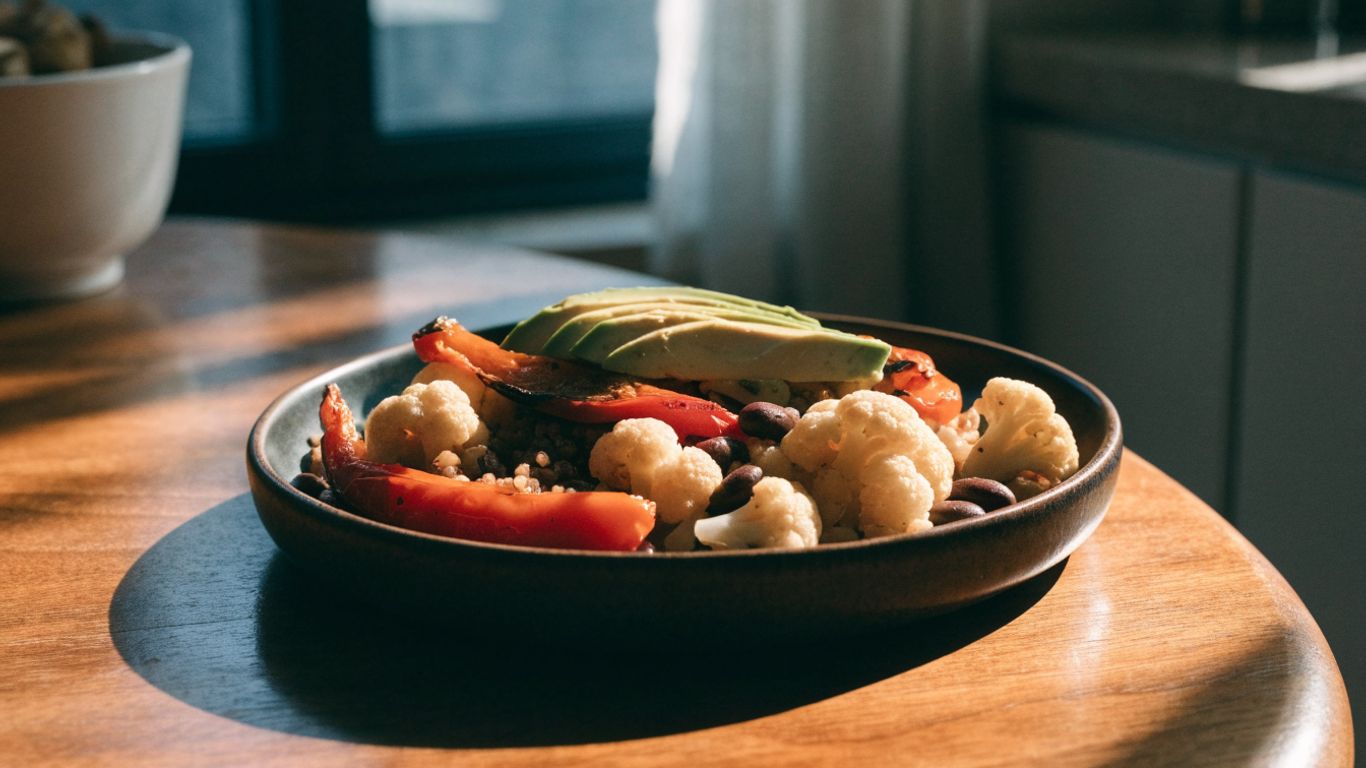
Protein and fiber can make meals more satisfying, and both can be found in a range of everyday foods. Depending on your preferences, a meal might pair beans or eggs with vegetables and whole grains, or include fish, tofu, or poultry alongside a fiber-rich side. You do not need a special product to make a meal more balanced. If you have dietary restrictions or medical needs, ask a qualified professional which choices and portions suit you.
Choose satisfying foods with minimal processing
Meals built mainly from vegetables, fruit, whole grains, beans, nuts, and suitable protein sources can provide variety and staying power. I’d think in terms of adding nourishing options rather than sorting every food into “good” or “bad.” Foods with more processing can still fit; the useful question is whether your usual choices leave you satisfied and support your goals. Small swaps are often easier to keep than a complete overhaul.
Adjust portions without banning favorite foods
Portions are one practical lever, but strict rules around favorite foods can make a plan feel brittle. I’d try serving a comfortable amount, eating without rushing when possible, and noticing how hungry or satisfied I feel afterward. If a portion change leaves you distracted by hunger, it may be too large or may call for a more filling meal. Flexible portions keep the plan responsive instead of turning it into a list of forbidden foods.
Spot the risks of detoxes, restrictive diets, and weight-loss supplements
Detoxes and highly restrictive plans can make large promises while leaving little room for a varied, sustainable routine. Supplements also differ in ingredients and evidence, and they may carry risks or interact with medication. I would check claims carefully and talk with a health professional before starting a supplement, especially if I had a health condition or used prescription medicine. Jonas PureReviews publishes reviews of natural supplements, botanical health products, and daily wellness essentials; that kind of material can be one input, not a substitute for medical advice.
When considering a supplement review, I’d look for clear discussion of ingredients, limitations, and safety rather than a promise of quick results. Jonas PureReviews offers in-depth reviews of dietary supplements and natural products to help readers make informed choices. You can browse the reviews, but keep the same cautious standard for any product: claims do not guarantee results, and “natural” does not automatically mean risk-free.
Add movement that fits your fitness level and routine
Movement can support health and help make a weight-loss routine more rounded, but it does not need to be punishing or elaborate. I’d choose activities that feel accessible enough to repeat, then build from there. A mix of activity types can be useful, though the right combination depends on your interests and abilities. Consistency matters more than trying to make every workout intense.

Combine strength training with cardiovascular activity
Cardiovascular activity and strength training serve different purposes, so many people choose to include both in a weekly routine. Walking, cycling, or dancing may offer an approachable way to move more, while strength exercises can help maintain or build strength. You can begin with modest sessions and adapt the type or frequency to your needs. If you are new to exercise or have health concerns, ask a professional how to start safely.
Increase daily movement with small, repeatable changes
A formal workout is only one way to be more active. Short walks, standing up regularly, taking stairs when comfortable, or moving during a break can add activity to an ordinary day. I’d pick one change that fits a real schedule rather than designing an ideal week I’m unlikely to follow. Repeating a small action can make it feel like part of the day, not another task to fail at.
Start gradually and adapt activity for injuries or limitations
If you have an injury, pain, a disability, or a long break from exercise, choose activities with appropriate support and a comfortable starting level. A clinician or physical therapist can help identify movements to modify or avoid. Pay attention to how you feel during and after activity rather than pushing through worsening pain. Adapting a plan is a sensible way to keep moving, not a sign that you are doing it wrong.
Use exercise to support health, not to punish yourself for eating
I’d avoid treating exercise as payment for food. That mindset can make movement feel like a penalty and may encourage an all-or-nothing relationship with eating. Instead, choose activity for the ways it fits into your health and daily life, whether that means better stamina, strength, mood, or simply enjoying a walk. A helpful routine should leave room for rest and ordinary meals.
Create daily habits that make healthy choices easier
A plan is easier to follow when it fits the day you actually have, not an imagined schedule with unlimited time. I’d focus on reducing the number of decisions that need to be made when I’m tired or busy. A few simple preparations can make balanced meals and movement easier to choose. The aim is not to control every detail, but to make supportive options more available.
Plan meals and snacks around your schedule
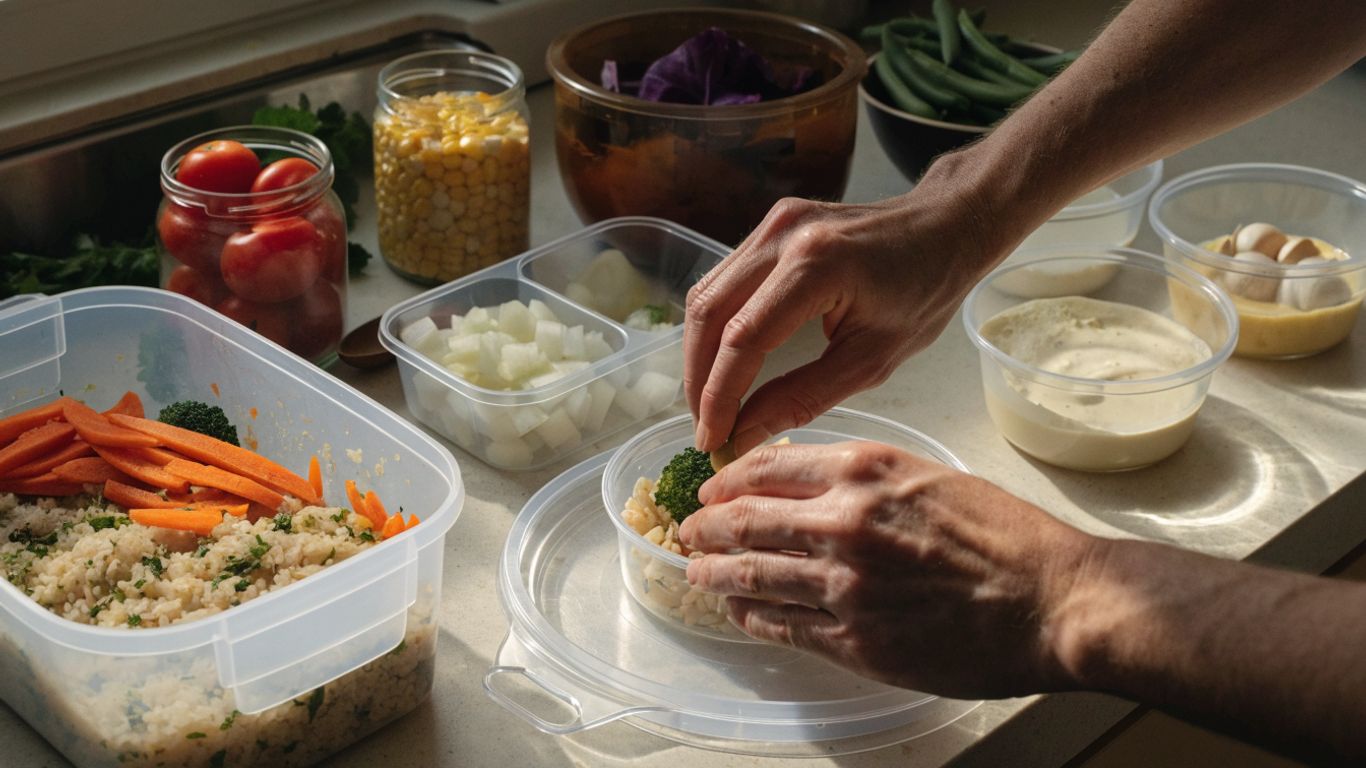
Planning can be as simple as deciding what to eat on the busiest days of the week. It helps to consider when you will be away from home, when you tend to get hungry, and which foods are practical to carry or prepare. Here are a few low-pressure ways to make that planning useful:
- Keep a short list of meals you can assemble with familiar ingredients.
- Set aside time to prepare one or two basics for the next few days.
- Choose snacks that suit your schedule and help bridge a long gap between meals.
- Leave room in the plan for meals with friends or family.
The best version is the one that reduces friction without making the week feel rigid. If the schedule changes, adjust the plan rather than treating the change as a failure.
Protect sleep to support appetite and energy
Sleep routines vary, but regular opportunities to rest can support energy for everyday choices. When I am short on sleep, it can be harder to follow through on planned meals or movement, so I would treat rest as part of the routine rather than a bonus. A consistent wind-down, a calmer sleeping environment, or a more predictable bedtime may help. If sleep problems persist or affect your health, discuss them with a clinician.
Use stress-management strategies that work for you
Stress can affect how people eat, sleep, and move, but there is no single technique that works for everyone. A quiet walk, time with someone you trust, a few minutes of breathing practice, or writing down what is on your mind may feel useful. I’d choose a strategy that fits the kind of stress I’m experiencing and that I can realistically repeat. If stress feels overwhelming, support from a health professional can be an important part of the plan.
Build consistency without expecting perfection
Consistency is not the same as doing everything exactly right. A missed walk or an unplanned meal does not erase the habits you have already practiced. I’d look at what made the routine difficult, then decide on one small adjustment for next time. That approach makes it easier to restart without turning one off day into a reason to abandon the plan.
Track progress and make thoughtful adjustments
Tracking is useful when it informs a decision, not when it takes over the day. I’d consider more than scale weight, since changes in energy, strength, clothing fit, and daily routines can also tell part of the story. Weighing frequency is a personal choice; if it causes distress, another way to monitor progress may be more appropriate. Whatever you track, look for patterns instead of reacting to one reading.
Monitor weight trends alongside other signs of progress
If you choose to weigh yourself, similar conditions and a consistent schedule can make the numbers easier to compare. A single reading may be affected by normal shifts in hydration, digestion, and timing, so it is more useful to look across several readings. Other signs can include how consistently you follow your routines or whether everyday activities feel easier. I’d treat measurements as information, not a verdict on my effort.
Review routines before reacting to a plateau
A period with little change on the scale does not automatically mean your effort has stopped working. Before making a large adjustment, I’d review whether meals, activity, sleep, and stress have changed, and whether tracking has been consistent enough to interpret. The table below offers a way to connect a signal with a measured response rather than making a rushed decision.
| What you notice | What to review | A measured next step |
|---|---|---|
| Several weeks with little scale change | Routine, portions, and activity | Choose one small adjustment to test |
| Weight shifts from day to day | Timing and other normal fluctuations | Look at the broader trend |
| More fatigue or hunger than usual | Meal satisfaction, rest, and workload | Reconsider whether the plan is too demanding |
| Progress feels hard to judge | Non-scale changes and routine consistency | Track another useful sign for a while |
This is a prompt for reflection, not a diagnostic tool. If changes in weight are unexpected or accompanied by concerning symptoms, I’d ask a health professional rather than trying to solve the issue through increasingly strict rules.
Adjust food portions or activity one step at a time
When a change seems warranted, make one manageable adjustment and give yourself time to see how it feels. For instance, you might reconsider a portion that often leaves you uncomfortably full, or add a brief walk on days when it fits. Changing several things at once makes it harder to tell what is helping and may make the routine feel overwhelming. I’d keep the adjustment only if it supports health and remains practical.
Recognize signs that your approach is too restrictive
A plan may be too restrictive if you are frequently preoccupied with food, feel unable to eat with others, or are exhausted by the effort of following its rules. Persistent dizziness, weakness, or other concerning symptoms deserve prompt attention from a health professional. I would not respond to these signs by doubling down on restriction. A safer next step is to pause, seek qualified advice, and make the routine more nourishing and flexible.
Maintain your results with flexible long-term routines
Weight maintenance is not a separate skill that suddenly appears after a goal is reached. It means continuing the habits that helped while making room for changes in appetite, schedule, and activity. I’d expect the routine to evolve, and I would use regular check-ins to notice when it needs a small adjustment. Lasting progress comes from a pattern that can bend without disappearing.
Transition from weight loss to a maintenance routine
When you reach a weight goal, you may need to adjust your food portions or activity to suit a maintenance phase. Rather than making abrupt changes, continue monitoring how your routines feel and how your weight trend responds over time. A clinician or registered dietitian can offer individualized guidance if you are unsure how to make the transition. The aim is a steady routine that supports your health, not an endless effort to lose more.
Keep the habits that helped you lose weight
It is usually more practical to preserve the habits that fit your life than to replace them with a strict new system. That might mean keeping a few reliable meals, continuing enjoyable movement, or planning ahead for busy days. I’d also keep the habits that support rest and reduce stress, since they help make the broader routine easier to follow. You can reconsider any practice that feels burdensome or no longer suits your needs.
Plan for vacations, busy periods, and changing schedules
Travel, holidays, deadlines, and family responsibilities can disrupt even a well-established routine. I’d choose a few flexible anchors for those periods, such as taking a walk when convenient or including a satisfying meal when possible. The plan does not have to look identical in every setting. Thinking in terms of what is feasible now can prevent a temporary change in schedule from feeling like a total reset.
Respond to small regain with practical adjustments
A small regain does not erase earlier progress, and it does not require a crash diet. I’d first look for ordinary changes in routines, stress, sleep, or activity, then choose one adjustment that feels realistic. If weight changes continue or raise health concerns, a professional can help put them in context. Responding early with calm, practical steps is more useful than waiting until the problem feels too big to address.
Conclusion
I see lasting weight loss as a process of finding routines that support your health and still leave room for real life. Start with a manageable change, learn from what happens, and adjust without treating every setback as a failure; if you are considering a supplement, Jonas PureReviews provides reviews of natural supplements, botanical health products, and daily wellness essentials to help inform your research.
Frequently Asked Questions
Can I lose weight quickly without starving myself?
A moderate, sustainable approach can support weight loss without requiring you to skip meals or live with constant hunger. If your plan leaves you depleted or preoccupied with food, seek guidance and reconsider how restrictive it is.
Is there one natural diet that works for everyone?
No single way of eating suits every person. Preferences, health needs, culture, and schedule all matter, so a flexible routine built around nourishing foods is often more practical than following a rigid template.
How often should I weigh myself?
That depends on whether weighing helps you and how it affects your wellbeing. If you do weigh yourself, look at trends rather than drawing conclusions from a single reading; if it causes distress, consider other ways to monitor progress.
Do I need to exercise to lose weight?
Weight change can happen through changes in eating patterns, activity, or both, but movement can support general health and fitness. Choose activity that suits your abilities and talk with a professional if you have medical or mobility concerns.
Are weight-loss supplements necessary?
Supplements are not necessary for everyone, and products vary in ingredients, evidence, and potential risks. Discuss a product with a qualified health professional before using it, particularly if you take medication or have a health condition.
What should I do if my progress plateaus?
Review your routines and look at the broader trend before making changes. If an adjustment seems appropriate, try one modest change at a time rather than sharply restricting food or suddenly increasing activity.
How can I maintain weight loss during a busy period?
Keep a few flexible habits that are realistic in the circumstances, such as familiar meal options or short bouts of movement. When your schedule settles, return to your usual routine without trying to compensate for every disruption.