

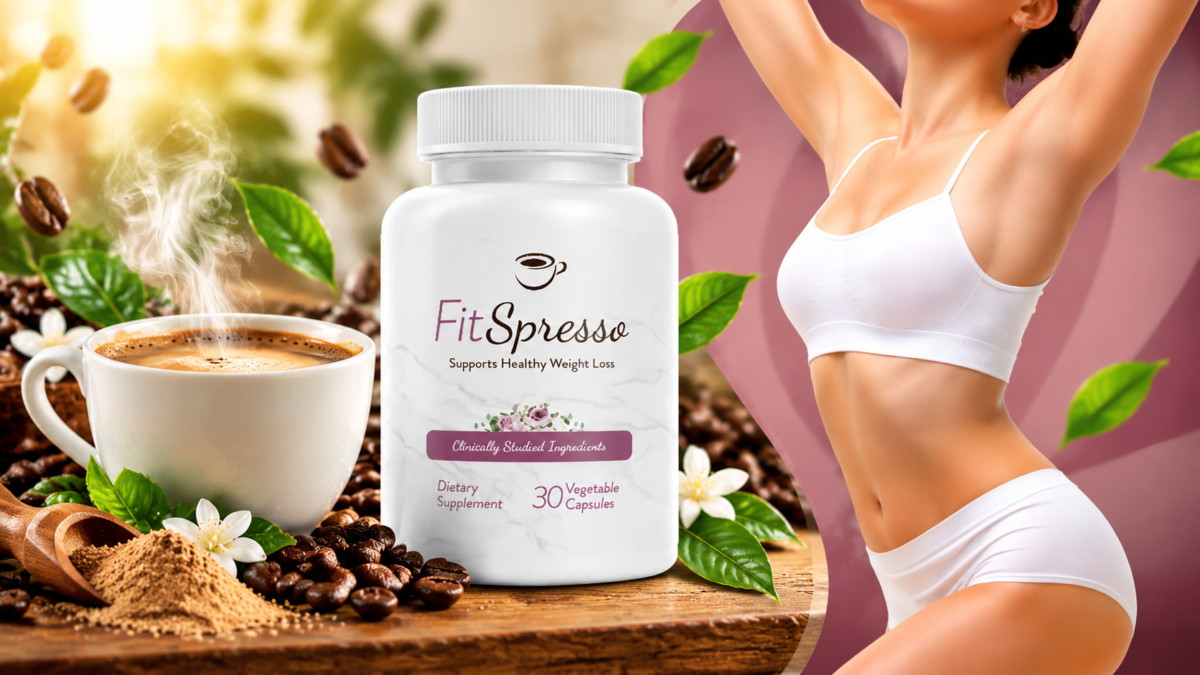
How to Take FitSpresso for Best Results: My Personal Guide.
Wanting a simple morning routine is understandable, but the exact package directions matter more than a generic timing tip. I see the choice as a chance to build an informed routine, not as a promise of weight loss.
Results vary, and a supplement cannot replace steady food and activity habits. The goal is to make a choice that fits your day and supports your health, while keeping expectations realistic. A clear routine can also help you notice whether the product suits you.
I’ll focus on practical choices rather than claim that one routine works for everyone. Before deciding how to take it, confirm which FitSpresso product you have.
What Is FitSpresso, and Which Product Do You Have?
Start with the package you have, not an assumed coffee routine. Product descriptions conflict on whether FitSpresso is a capsule product or a powdered drink mix, so the package in hand should guide your choice.
Do not combine directions from different product descriptions. A capsule, a drink mix, and ordinary brewed coffee are different formats, and each has different packaging and directions.
Check the format before following directions
Capsules come in a bottle or blister pack, with directions for swallowing them. A powdered drink mix usually comes in a pouch or tub, with directions for mixing it into liquid.
Ordinary brewed coffee is a beverage made by brewing coffee grounds. It is not a FitSpresso capsule or drink mix, even if a product description uses coffee-related language.
| Product or format | What identifies it | What to follow |
|---|---|---|
| Capsule product | Capsules in a bottle or blister pack | Directions printed on that package |
| Powdered drink mix | Powder in a pouch or tub | Mixing and serving directions on that package |
| Ordinary brewed coffee | Brewed drink made from coffee grounds | Its own preparation, not supplement directions |
Read the ingredient panel and serving instructions
Check the ingredient panel for the formula and the serving instructions for the amount and frequency. A product description calls the blend proprietary. A proprietary blend is a label category that lists several ingredients together without stating each ingredient’s individual amount.
That label detail can affect how clearly you can assess the ingredients. Once you identify the format, use the serving and timing instructions on that package.
How to Take FitSpresso for Best Results: Dose and Timing
The right amount is the amount printed on your specific package, taken no more often than its directions allow. Follow the product label and never exceed its serving or frequency.
A morning routine may make usage easier to remember, but no established “fat-burning window” makes one time uniquely effective. Choose a repeatable time only if the label allows flexible timing.
Use the serving printed on your package
The product label sets the serving, whether the product comes as capsules or a drink mix. Do not use a serving from another format or description to decide your amount.
Check each instruction, including whether the serving should go with food. A supplement’s role in weight management does not depend on taking extra; increasing the amount does not establish a better effect on metabolism.
Choose a time you can follow consistently
If the label allows a choice, pick a time that fits your meals and sleep. A daily cue, such as breakfast, can help you remember without turning the routine into a complicated schedule.
Before using it, check these four points:
- Confirm the serving size printed on your package.
- Check whether the label recommends taking it with food.
- Follow the stated frequency, such as once or more per day.
- Do not double a missed serving.
The package directions, rather than a general online tip, decide how often to take it. Timing it alongside coffee is a separate choice, especially if you are sensitive to caffeine.
Should You Take FitSpresso With Coffee?
If you already drink morning coffee, you may wonder whether to add FitSpresso to the same cup. That depends on the format and label, not on a need to pair every supplement with coffee.
A capsule does not need coffee as a “loophole,” and a drink mix should be prepared only as its label directs. Water or another beverage is an option only when the package instructions allow it.
Check whether the formula contains caffeine, then consider other sources you use. Coffee, tea, energy drinks, and other supplements can add to your daily stimulant intake.
Green tea or green tea extract may appear in an ingredient list, but do not assume every formula contains them. Look at the actual label before deciding what else to drink.
Caffeine-sensitive people may prefer not to stack several sources. They may also choose a time that is less likely to interfere with sleep, depending on their own response.
There is no need to change your coffee habit just to make the product seem more effective. Once you have made a beverage choice, a consistent routine can help you assess the effects over time.
How Can You Use It Consistently Without Overcomplicating Your Day?
On a busy morning, a supplement is easy to forget unless it is linked to a habit that already happens. A familiar daily cue can make usage easier to remember, as long as it fits the package directions.
Consistency helps you observe a routine; it does not guarantee weight loss or more energy. I would keep the plan simple enough to follow on an ordinary day, not just on an ideal one.
Anchor the routine to an existing habit
If the label allows it, connect the serving to breakfast or another steady part of your morning routine. Keep the product where you can see it, but store it as its package directs.
Think through travel before you leave. Bring the original package or clear directions, and do not take extra later to make up for a missed serving.
Keep a simple weekly record
A brief weekly check can show whether the routine fits your day. Record these details without trying to explain every change:
- Days you used the product as directed.
- Energy during the day.
- Appetite and sleep.
- Any unwanted effects.
Keep the notes short, such as a few words or a simple mark for each item. You can also note whether everyday demands made the routine hard to follow.
The record helps you notice patterns, not prove that the product caused a change in weight, appetite, or energy. Consistency makes observation easier, then the ingredient evidence can help set realistic expectations.
What Do the Ingredients and Evidence Actually Tell You?
An ingredient list can help you assess a formula, but it cannot establish the results of the whole product. Evidence about one ingredient is not proof that FitSpresso produces the same effect.
Check the actual package for each ingredient and its amount. A proprietary blend does not disclose each component’s individual amount, which can limit how closely you can judge the formula.
Green coffee and green tea extracts
If the label lists green coffee extract and chlorogenic acid, those names identify parts of the formula, not a guaranteed result. Green coffee findings are mixed, and any weight effect appears modest.
If listed, green tea extract may provide catechins such as EGCG. Human research on green tea catechins generally finds small effects, not a dependable change for every person.
| Ingredient, if listed | Proposed role | Evidence limitation |
|---|---|---|
| Green coffee extract and chlorogenic acid | Studied for possible weight effects | Findings are mixed; any effect appears modest |
| Green tea extract and catechins such as EGCG | Studied for possible weight effects | Human effects are generally small |
| L-carnitine | Studied as a possible weight-loss aid | Evidence as a stand-alone aid is weak |
| Chromium | Studied in relation to weight and blood sugar | Weight-loss findings are mixed |
L-carnitine and chromium
If your package lists L-carnitine, studies of that ingredient alone do not prove a finished supplement will lead to weight loss. Evidence for L-carnitine as a stand-alone weight-loss aid is weak.
Chromium findings for weight loss are mixed. A claim about healthy blood sugar or metabolism should not be read as proof that the product will change your body weight.
The ingredient list can help you ask more useful questions about a formula. It cannot show how the full mix will affect you, so I would keep expectations tied to realistic weight management and habits that support health.
What Habits Support Weight Management Alongside FitSpresso?
A supplement routine cannot make up for meals or movement patterns that do not support your goal. Daily habits still matter, whether or not you choose FitSpresso.
A sustainable eating pattern, regular activity, sleep, and hydration are practical foundations for weight management. None requires a strict diet or a promise of a set amount of weight loss.

Build meals around satisfying foods
Choose meals that keep you satisfied and fit your life. Protein and fiber can be part of that pattern, along with foods and portions you can maintain.
There is no single meal plan that suits everyone. A plan that feels too restrictive may be hard to keep up, so focus on choices you can repeat.
Add movement that fits your routine
Regular physical activity can support health and weight management. Walking, household tasks, or another suitable activity can count as movement in your week.
These examples offer a flexible starting point:
- Include a protein or fiber source in meals.
- Choose foods and portions that feel sustainable.
- Build regular walks or other suitable movement into the week.
- Protect a consistent sleep routine.
Drink enough fluids to support your usual needs, and make room for sleep rather than treating energy as something a supplement must provide. These habits matter when judging the product, and safety is another part of that judgment.
What Side Effects and Safety Checks Should You Know About?
“Natural” does not mean suitable for everyone. Check the risks that fit your situation before starting, especially if the formula contains caffeine or you manage a health condition.
Caffeine-containing formulas can cause jitteriness, and some people experience digestive upset. High-dose green tea extract has also been associated with rare liver-related problems.
Watch for stimulant or digestive symptoms
Pay attention to how you feel after starting a product, including changes in sleep or stomach comfort. Caffeine may feel stronger when combined with coffee, tea, or other stimulant sources.
Use the package label as your guide, and do not ignore symptoms that concern you. Stop use and seek medical advice if a symptom feels serious or does not settle.
| Situation | Potential concern | Practical next step |
|---|---|---|
| Caffeine sensitivity | Jitteriness or sleep disruption | Check the formula and discuss use with a clinician |
| Digestive discomfort | Stomach upset | Stop if symptoms concern you and seek advice |
| Medication or existing health condition | Possible interaction or health concern | Ask a doctor or pharmacist before use |
| Pregnancy or breastfeeding | Supplement safety may need review | Ask a qualified health professional before use |
Check with a clinician when health conditions or medicines are involved
Ask a doctor or pharmacist before use if you take prescription medicines or manage blood sugar or blood pressure. Do the same if you take blood thinners or have liver disease.
People who are pregnant or breastfeeding should also get professional advice before using the product. These checks matter because a supplement can affect health or interact with care beyond weight goals.
If you have diabetes or monitor blood sugar levels, ask how the ingredients might fit with your care plan. A health professional can also review any concerns about heart health, medicines, or other conditions.
Start from a safe baseline instead of judging usefulness while symptoms or health questions remain unresolved.
How Should You Tell Whether FitSpresso Is Helping?
A single scale reading says less than a pattern you observe over time. Look at more than weight, including energy, appetite, and whether the routine fits your day.
Body weight can fluctuate, and individual results vary. A change on one day may not reflect a lasting shift in weight management.
Consider whether your energy feels different across ordinary days, not just after one serving. Notice whether appetite or your usual routine changes in a way that matters to you.
Reviews and personal stories can describe what someone believes happened, but they cannot establish cause and effect. They also cannot predict your outcome or show that FitSpresso weight loss will happen for you.
Compare the changes with the wider context of your day, including sleep, meals, movement, and stress. That context can help you avoid crediting the supplement for every change or blaming it for unrelated ones.
If you have persistent concerns or unexpected changes, talk with a health professional. A clinician can help you decide what deserves attention and whether another factor may be involved.
A useful result is one that matters to your health and daily life, without unwanted effects or an unrealistic promise. If the routine is hard to tolerate or no meaningful benefit appears, reconsider whether it belongs in your day.
What Should You Do If the Routine Is Not Working for You?
If you see no quick change, you may feel tempted to take more. Do not increase the serving to chase faster weight loss.
More of a supplement is not a safe shortcut to better effects. First, check that you have the correct product and are following its own label.

Review whether coffee or other supplements add overlapping ingredients or stimulants. Then consider whether the routine fits your normal day or creates more effort than it is worth.
If symptoms occur, stop use and seek appropriate medical advice. Do not try to push through a reaction just to keep a routine going.
Some people may not notice a useful change, and that is a reasonable reason to stop. A supplement is optional; you can focus on other parts of weight management instead.
Keep the decision practical: follow the label, consider how the routine feels, and do not let a product become a test of willpower. If it offers no useful benefit, choosing not to continue is reasonable.
Your next step can be simple: check the package details before deciding whether the product fits your health and day.
Conclusion
The best routine follows the label, fits your day, and is safe for you. Treat FitSpresso as optional support, not a stand-alone weight-loss method.
My practical next step is to check the product’s format, serving directions, and ingredient panel before the first use. Those details help you make a sound choice about usage without guessing.
Verify the package details, and consult a qualified health professional if you have a relevant condition or medication concern.