

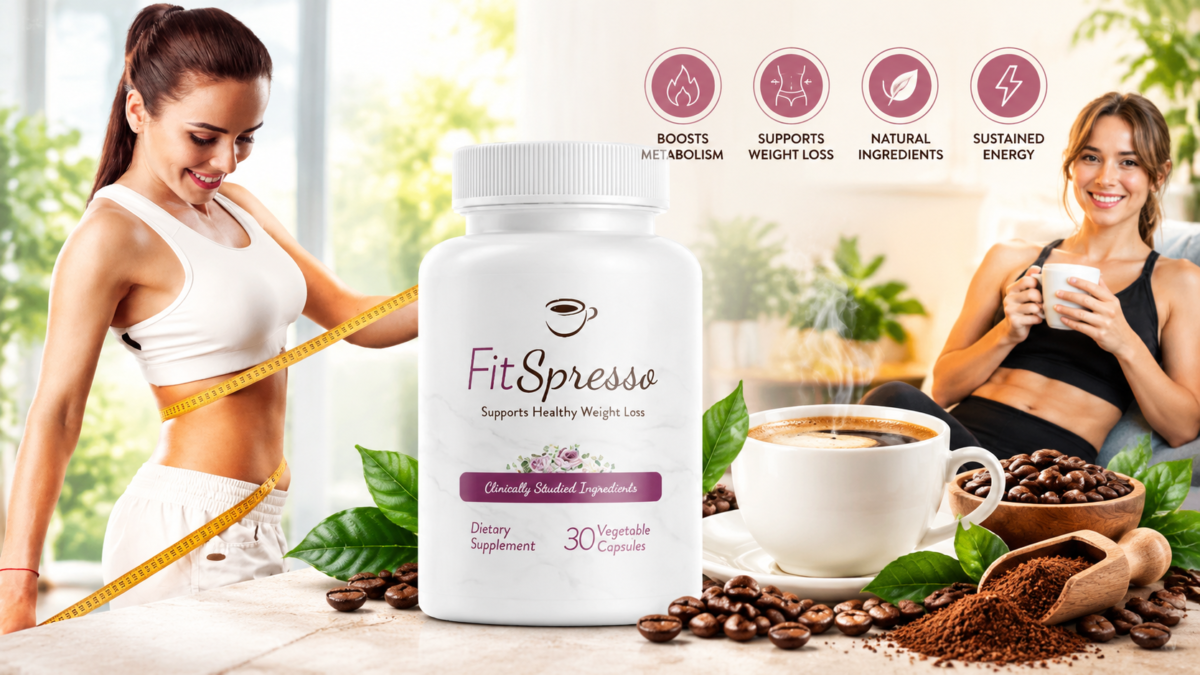
My Guide to FitSpresso Price Per Bottle and Savings
A budget-minded shopper comparing one FitSpresso bottle with a multi-bottle offer may pause at the price tag. The larger pack can look like a better deal, yet it asks for more money upfront.
I look beyond the item price when I compare a weight-management supplement. Pack size, delivery charges, and available offers all affect what a shopper spends. A low price alone cannot show whether a product suits someone’s health or weight loss goals.
Price is one part of a buying decision, not proof of health value. I focus on clear costs and product details, then consider personal needs separately. That makes it easier to judge an offer without treating a discount as a promise of results.
To compare offers fairly, I first work out the cost per bottle, which I call the unit cost. Then I look at the listed FitSpresso packages and the details that can change the total.
FitSpresso Price Per Bottle: What Buyers Pay
There is no single price per bottle across all FitSpresso offers. The price varies by package and seller, so I compare each offer using its full cost and bottle count.
Unit cost is the item price plus shipping, divided by the number of bottles, before tax unless tax is included. This gives shoppers one way to compare a support supplement offered in different pack sizes.
A FitSpresso listing describes a three-bottle package with 60 capsules per bottle. That means the package has 180 capsules altogether, but capsule count does not replace bottle count in a unit-cost calculation.
I check both counts because packages can hold different numbers of capsules per bottle. Two offers with the same bottle count might not provide the same number of capsules.
The final amount depends on the offer, shipping, and any applicable tax. A displayed item price may not include every cost due at checkout, and a seller’s price can differ from another seller’s.
That is why I treat a listed price as an example, not a guaranteed current price. The next comparison puts marketplace package sizes, shipping, and unit costs side by side.
How Marketplace Offers Compare
A shopper might see two three-bottle offers with different item prices and shipping charges. The package total gives a fairer comparison than either item price alone.
Including stated shipping in the unit cost makes the difference clear. These listing snapshots are examples, not guaranteed live offers, and the sold listing cannot be bought now.
Three-bottle offers
One eBay listing shows three bottles for $67.15 with free shipping, or $22.38 per bottle. A separate three-bottle listing was marked sold at $39.95, plus $6.95 shipping.
That sold listing had a $46.90 pre-tax total and a $15.63 unit cost, including stated shipping. It is unavailable to buy, so its low historical unit cost does not prove that a current offer is a bargain.
Larger packs and a sold listing
A 12-bottle FitSpresso listing shows a $199 price and free delivery. Its unit cost is about $16.58 per bottle, based on the listed price and delivery terms.
| Offer | Bottle count | Item price | Shipping | Unit cost including stated shipping |
|---|---|---|---|---|
| eBay listing | 3 | $67.15 | Free | $22.38 |
| eBay sold listing, unavailable | 3 | $39.95 | $6.95 | $15.63 |
| FitSpresso listing | 12 | $199 | Free delivery | $16.58 |
Marketplace pages may show seller details such as “feedback left buyer,” “deliverytop rated,” or “rated plusseller.” Those labels describe seller activity, not reviews of FitSpresso itself.
These examples show why I compare package size and delivery together. Next, I use the same calculation each time, rather than judging a deal by its headline price.
How I Calculate the Real Cost Per Bottle
A shopper can divide a bundle price by its bottle count and still overlook shipping. That missing charge can change the comparison between two offers.
I use the same four steps for every pack:
- Count the bottles included in the offered pack.
- Add stated shipping to the item price.
- Divide the pre-tax total by the bottle count.
- Check whether tax or a promotion changes the checkout total.
The result is a pre-tax unit cost unless tax is already included. If two packs contain different numbers of capsules per bottle, I make a second comparison using capsule count.
That extra check matters when one bottle holds more capsules than another. A lower cost per bottle does not always mean a lower cost per capsule.
It also does not mean a lower total spend. A shopper may pay less for each bottle but spend more overall because the deal requires buying more bottles.
I keep the per-bottle figure and the full order amount in view. Once those numbers are clear, I can judge whether the official store’s larger orders offer useful savings.
What the Official Bundle Discounts Save
The official product page lists a three-bottle package at $89.95, or about $29.98 per bottle. That is the listed starting offer, not a permanent price.
The displayed multi-package tiers lower the listed unit cost as quantity rises. The table shows each listed total and its calculated per-bottle amount.

The three-bottle starting price
The starting package contains three bottles. I divide its listed price by three to compare it with larger orders on a per-bottle basis.
That figure helps show the discount, but it does not show whether a buyer needs that many bottles. I consider the larger quantities as separate purchase choices, not automatic upgrades.
Multi-bundle totals and per-bottle cost
The official page lists a 15% discount for two three-bottle packages and a 20% discount for three. Its four-package quantity is listed at 25% off.
| Quantity of three-bottle packages | Total bottles | Displayed discount | Total price | Price per bottle |
|---|---|---|---|---|
| 1 | 3 | 0% | $89.95 | $29.98 |
| 2 | 6 | 15% | $152.91 | $25.49 |
| 3 | 9 | 20% | $215.88 | $23.99 |
| 4 | 12 | 25% | $269.85 | $22.49 |
The four-package price is the listed minimum quantity for that discount tier. It is not a sign that every buyer should stock up.
Displayed offers can change, so I treat these figures as listed examples. The discount math shows the unit-cost change; the final amount and order terms still matter before payment.
What to Check Before Checkout
A shopper’s advertised unit cost can rise after delivery is added. The final order summary matters more than a shipping line viewed on its own.
I check four details before placing an order:
- Shipping to the buyer’s address.
- Tax and the final checkout total.
- The return policy for that specific order.
- The stated delivery estimate.
The official product page displays both “Free Shipping On All US Orders” and “Shipping calculated at checkout.” Shipping language can differ between product details and checkout, so I rely on the final order summary.
One eBay listing shows free economy shipping, while another charges $6.95. The seller on the $39.95 sold listing does not accept returns.
Those examples apply to specific listings, not every order. A free delivery seller label or a listed delivery estimate does not confirm the terms for a different item or address.
I read the final total and order terms before paying. Once those costs are clear, I check whether the product details and seller listing make sense.
How to Check a FitSpresso Listing Before Ordering
A shopper may notice that two listings use different brand names for FitSpresso. That difference deserves a closer look before ordering.
I compare the listing with the bottle and package details shown. One eBay listing identifies the brand as The Sunrise Brand; another names Pharmagetics.
Confirm the brand and product details
I check these four points before I decide whether a listing is clear:
- Compare the listed brand with the bottle label shown.
- Confirm the bottle count and capsule count.
- Check that the package is new, unopened, and undamaged.
- Ask the seller to clarify inconsistencies before ordering.
Inspect condition and package information
The listings describe items as new, unopened, undamaged, and in original packaging. I look for those details in the condition field and in the photos.
Some listing fields may use wording such as “undamaged item original” or “item original packaging.” I check whether the description and photos support that wording.
The different brand names make label and product-identity checks especially important. I do not assume that two listings describe the same item just because both use the FitSpresso name.
Seller feedback can help describe transactions with buyers. A “feedback left buyer” label or positive seller score is not a FitSpresso review and does not prove product quality.
Once I understand what a listing offers, I can consider how many bottles fit my budget and planned use.
Which Pack Size Fits Your Budget?
A shopper may be tempted by a lower unit cost but unsure about spending more upfront. The full order amount helps keep that decision grounded.
I choose a pack based on what I can spend and intend to use, not on the discount alone. A lower cost per bottle can still mean a larger immediate expense.
- Set the maximum amount available for the order.
- Compare the total outlay as well as the unit cost.
- Choose a larger pack only if you already intend to buy that quantity and can use it appropriately.
These steps help me weigh the savings against the amount tied up in a larger pack. A smaller order may cost more per bottle but require less money at once.
Unused bottles can erase the value of a bulk discount. So can uncertainty about whether a supplement suits someone’s needs.
I would not buy extra bottles just to reach a discount tier. A pack should match an existing plan, not create pressure to use a product that may not be suitable.
That value question is separate from health results. Price can help compare offers, but it cannot show whether a product supports weight loss.
Do FitSpresso Capsules Work as Weight-Loss Support?
Paying more for a supplement does not prove it works better. Fat-burner capsules are not guaranteed to produce weight loss, and evidence and effects vary by product and person.
A product’s price or category cannot establish its effectiveness. A label or seller description is not proof of a meaningful result.

I check the current Supplement Facts panel for the listed ingredients and serving details. I would discuss the product with a qualified clinician, especially if I took medication or managed a health condition.
The phrase “support supplement pills” does not show how well a product works. Nor does a claim about “fitspresso healthy weight” establish that a buyer will lose weight.
A “health support supplement” description is still a product claim, not a measured result. The exact ingredients and label can change, so I would read the current package rather than rely on an old description.
That caution matters for any supplement. I separate marketing language from evidence and personal health advice, then set realistic expectations for weight loss.
What to Expect From Healthy Weight Loss
A quick way to lose belly fat sounds appealing, but lasting change comes from overall weight loss, not choosing one body area. Targeted fat loss is not something a supplement price can promise.
The most reliable approach to reducing belly fat is an overall, sustainable weight-loss plan. A plan can support healthy weight loss without promising that fat will leave one spot first.
Losing 20 pounds quickly is not a safe or predictable goal for everyone. An appropriate pace depends on individual circumstances and health needs.
I would discuss a personal target with a clinician rather than rely on a fixed deadline. That conversation can account for a person’s health, goals, and starting point.
Marketing for weight loss support may make fast change sound simple. Yet no supplement price can guarantee a certain amount or speed of weight loss.
A product can be one part of a person’s choices, but it cannot replace an individual plan. Those limits also help me judge weight-loss products and decide when professional guidance matters.
How to Judge Weight-Loss Pills and Fat Burners
“Best” depends on safety, evidence, and the person using the product. No single over-the-counter fat-burner tablet is best for everyone.
I judge a weight-loss supplement by clear labeling, safety, evidence, and fit with a person’s needs. A clinician can help weigh those points.
Terms such as “advanced fat burner” describe a product category or a marketing claim. They do not show that a pill will work better for men or anyone else.
I would look for transparent information about ingredients and serving directions. I would also ask whether the product suits my health and other medicines.
The most successful weight-loss medication depends on the person and should be discussed with a healthcare professional. Supplements are not the same as prescription treatment.
Choosing a supplement is a shopping decision, while medical treatment is a matter for professional care. I would not treat an over-the-counter pill as a substitute for that care.
That distinction leaves a practical question: whether to buy the product at all, and what details to confirm before deciding.
When to Ask a Clinician Before Buying
A person taking medication should ask a clinician before adding a weight-loss supplement. That check is important because product ingredients may matter for an individual’s health.
People with health conditions, people taking medication, and anyone who is pregnant should consult a clinician. The same applies when someone considers a supplement for a specific medical concern.
The FDA does not approve dietary supplements for safety and effectiveness before marketing in the same way it approves drugs. This distinction does not prove that a particular supplement is unsafe.
I would bring the product label and explain how I plan to use it. A clinician can discuss the ingredients and my health needs with better context.
Seller ratings and buyer feedback describe a transaction, not medical suitability. A label such as “past monthsverified purchase” does not show that a supplement is right for a person.
Likewise, phrases such as “deliveryseller 100 positive” or “free deliveryseller” concern a seller or order detail, not health support. They cannot replace medical advice.
With cost and personal health considered separately, I can make a more informed purchase decision without treating the product as a health guarantee.
Conclusion
A low unit cost matters only when the full purchase makes sense for the buyer. I compare the total amount, bottle count, and order terms against my budget.
Price does not establish a health benefit, and a discount does not guarantee weight loss. I treat those as separate questions when considering a support supplement.
My next step is to check the live listing and final checkout total, then ask a clinician about suitability if needed. I verify the offer total and product details before deciding whether to order.