
My Hidragenix Ingredients List I Explain Each Ingredient.
Ingredient names alone cannot show whether Hidragenix will work or suit your health needs. That matters when you are weighing a supplement against other ways to manage weight, and want clear facts before you spend money.
A serving is the labeled quantity intended for one use. I use that term carefully because a drop count, a bottle, and a serving may not mean the same thing.
Product claims can sound more certain than an ingredient list allows. A name tells you what a formula says it contains, but it does not show that the amount works or fits your needs.
I will look closely at the reported formula and what it can reasonably tell you, then start with what its ingredient list is said to contain.
What Does the Hidragenix Ingredients List Claim?
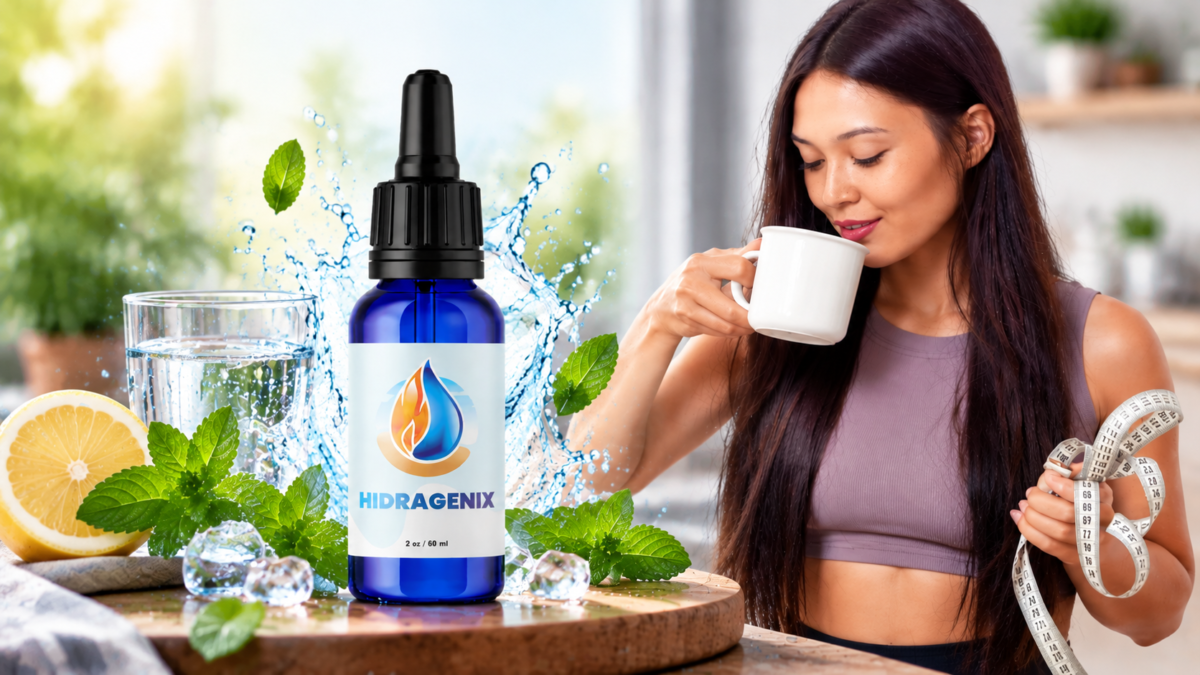
The reported formula combines botanicals, isolated compounds, a mineral, and a liquid base. One description presents a 60 mL amber glass dropper bottle with 23 active components, but that is a reported formula, not a verified current label.
The components are described as plant extracts, isolated compounds, and a mineral, with purified water and vegetable glycerin as base ingredients. Only the Supplement Facts panel on the bottle in hand can confirm its listed ingredients and amounts.
A product page may use broad terms to describe a supplement, while the bottle lists more precise names. I would read each ingredient and quantity as printed, rather than infer details from a general claim.
The number 23 also needs context. A count of components does not reveal how much of each appears per serving, or whether each component is an extract, an isolated compound, or part of the base.
That distinction matters if descriptions use words such as “blend” or highlight a few ingredients. Those words cannot replace the full Supplement Facts panel, and they do not establish a health benefit.
Descriptions can change, and bottles may not all share one formula. The reported bottle size and amber glass describe one product presentation, not proof that every bottle has the same contents.
I would treat the reported categories as a starting point, then compare them with the label on the exact product I might buy. The first category to examine is the group of named plant extracts.
Which Plant Extracts Are Named?
Two products can use the same common plant name yet differ in plant part or preparation. Grape seed comes from grape seeds, while green tea comes from Camellia sinensis; their names alone do not prove a weight-loss effect.
An extract is a plant-derived preparation. The plant part and extraction process can affect what an extract contains, so a broad name may leave useful details unclear.
Grape seed and green tea
Grape seed and green tea are two of the botanicals named in one reported formula. Green tea may appear in many products, including vitamins and other supplements, but that familiarity does not confirm the amount in this product.
The Supplement Facts panel can show whether a label gives a botanical name, plant part, or extract amount. I would not assume those details from a marketing description alone.
Other botanicals in the reported formula
Other reported botanicals include Gymnema sylvestre, Coleus forskohlii, maca root, African mango, eleuthero root, Astragalus membranaceus root, Capsicum annuum, and grapefruit extract. These names describe reported ingredients, not a confirmed list for every bottle.
The table separates the reported categories from details that still need to appear on the specific label. I have marked those details as unconfirmed rather than filling gaps with guesses.
| Ingredient | Reported category | Botanical name when available | What to check on the bottle |
|---|---|---|---|
| Grape seed | Plant extract | Not stated | Plant part and extract amount unconfirmed |
| Green tea | Plant extract | Camellia sinensis | Plant part and extract amount unconfirmed |
| Gymnema sylvestre | Plant extract | Gymnema sylvestre | Plant part and amount unconfirmed |
| Coleus forskohlii | Plant extract | Coleus forskohlii | Plant part and amount unconfirmed |
| Capsicum annuum | Plant extract | Capsicum annuum | Plant part and amount unconfirmed |
That table helps show why a plant name is only one part of a formula description. The reported list also includes non-botanical compounds, which need a separate look.
What Are the Isolated Compounds and Mineral?
A familiar ingredient name does not reveal its amount or the strength of evidence for a specific result. The reported formula names raspberry ketones, GABA, and chromium picolinate, but none of those names guarantees fat loss.
The Supplement Facts panel must show what a serving contains; the ingredient name alone cannot establish a reliable effect. I would avoid reading claims about weight or appetite into the presence of any single compound.
GABA means gamma-aminobutyric acid. It is an amino acid derivative, while chromium is a mineral supplied here as a picolinate compound.
Raspberry ketones are listed as an isolated compound in the reported description. The name does not tell a buyer how much appears per serving or whether that amount produces a useful change.
The table sets out what these names say and what they leave unanswered. It does not assign a benefit that the label itself cannot prove.
| Reported ingredient | Ingredient type | What the name tells you | What it does not establish |
|---|---|---|---|
| Raspberry ketones | Isolated compound | Compound name | Amount or weight-loss effect |
| GABA | Amino acid derivative | Gamma-aminobutyric acid | Serving amount or specific result |
| Chromium picolinate | Mineral compound | Chromium in picolinate form | Amount or fat-loss effect |
A product can list several familiar names and still leave key questions unanswered. A serving amount, the full formula, and evidence about the finished supplement all matter.
The isolated compounds and mineral are only part of the reported contents. Next, the liquid vehicle and bottle details show what the format can tell a buyer.
What Do the Liquid Base and Bottle Details Tell You?
An amber bottle and dropper can make a liquid product easier to handle, but they cannot confirm its benefits. The reported base includes purified water and vegetable glycerin, not proof of quality or effectiveness.
Packaging describes how a product is presented, not whether it works. The bottle’s look also cannot confirm that its contents match a particular online description.
Purified water and vegetable glycerin are described as base ingredients. Glycerin can serve as a liquid vehicle, meaning it helps carry other ingredients in a liquid product.
The word oil may appear in other liquid supplements, but it does not establish that this formula uses oil. I would check the actual ingredient list instead of guessing from its texture or dropper format.
The table separates each reported item from what a buyer can learn by checking the bottle. It also points to details that a package description cannot settle.
| Item | Reported detail | General role | What a buyer should verify |
|---|---|---|---|
| Purified water | Reported base ingredient | Liquid base | Exact label wording |
| Vegetable glycerin | Reported base ingredient | Liquid vehicle | Exact label wording |
| Amber glass dropper bottle | Reported packaging | Holds and dispenses liquid | Bottle size and product identity |
These details may help explain the product’s format and handling. They do not show that the ingredients can produce weight loss, so that claim needs a closer look.
Can These Ingredients Support Weight Loss?
An ingredient list alone cannot show that the finished product causes weight loss. Research on one ingredient may not apply to this supplement at its labeled dose, or to this exact formula.
Ingredient presence does not establish effectiveness, safety, or a predictable result. A product’s full blend, serving amount, and use all affect whether findings about an ingredient apply.
Ingredient research is not proof about the finished formula
A study of one ingredient does not test every product that includes it. The form, amount, and other ingredients may differ from the product used in research.
Even if an ingredient has been studied, that fact does not prove the finished formula offers the same benefit. A broad product claim can hide important differences in dose and preparation.
I would look for evidence about the finished product at its labeled serving, rather than assume that ingredient research settles the question. Names alone cannot show whether a claimed benefit is likely.
Weight change depends on more than a supplement
Body weight can change for many reasons. Eating patterns, activity, sleep, health conditions, medicines, and other personal factors may all play a part.
A supplement cannot be judged apart from that wider context. The same product may not have the same effect or fit for two people with different health needs.
I would not treat a supplement as a promise of weight loss or a substitute for care that fits a person’s situation. Claims about detoxification or a set result also need evidence, not just an ingredient list.
This distinction matters when formula descriptions disagree. If the listed plants or amounts change, the evidence tied to one description may not describe another bottle.
Why Do Hidragenix Ingredient Descriptions Differ?
One description may name Gymnema sylvestre, while another points to green tea for what appears to be the same formula. That difference matters, because a broad promotional list does not prove every component appears in every bottle.
Different wording can make it hard to tell whether a description reflects a changed formula, a shortened list, or a mistaken claim. I would not assume one version is the confirmed current formula.
Compare the exact names, not just the marketing terms
Compare the exact Supplement Facts panel, rather than relying on umbrella terms such as “botanical blend.” Look at ingredient order and serving details, since those can add context that a short product page leaves out.
Also compare the batch information on the specific bottle. If an online description names a plant that the bottle does not list, the bottle label is the direct record of that container’s ingredients.
The common mistake is treating a broad promotional ingredient list as proof that every listed component appears in every bottle. That assumption can lead to a poor comparison between a claim and the product in hand.
Check the bottle and batch information
I would make four checks before treating a description as a match:
- Full ingredient names
- Quantities per serving
- Directions and serving size
- Lot or batch identifier
Customer care may help explain a label question, but a general reply should not replace details printed on the bottle. Keep the description and label side by side when comparing them.
Once the specific formula is clearer, the next question is how to read its drops and serving directions without turning a promotional claim into personal dosing advice.
How Should I Read the Drops and Serving Directions?
“20 drops” is not useful guidance unless it matches the bottle’s labeled serving. A promotional description gives directions to add 20 drops to a glass of water and drink it daily, but those directions are not confirmed for every bottle.
Follow the current bottle label, not a direction copied from another description or batch. A drop count and a serving are not interchangeable unless the label defines them as the same amount.
The labeled serving tells you the quantity intended for one use. A count of drops may describe how to dispense that quantity, but only if the label makes the link clear.
The amount delivered by a dropper can depend on the dropper and the liquid. That is why the label’s own serving details matter more than a number copied from a different product description.
I would read both the serving size and directions on the bottle before using the product. If they do not line up or seem unclear, I would not guess at a dose.
A promotional direction can sound simple, yet it may not match the bottle in front of you. After checking the label, personal health and medicine questions are the next concern.
What Safety Checks Matter Before Use?
People taking medicines or managing health conditions should review the full formula with a qualified health professional first. “Natural” does not rule out interactions or personal sensitivity.
Ask a clinician or pharmacist before use when medicines, health conditions, or multiple supplements are involved. I cannot tell from a product name whether it is safe for a particular person.

Medicines and health conditions
Bring the complete ingredient list to a clinician or pharmacist if you use prescription or over-the-counter medicines. The same check is useful when you manage a health condition or consider adding more than one supplement.
A professional can review your situation and the ingredients together. That matters because an ingredient’s general description cannot predict how it may affect one person’s care.
I would keep the bottle or a clear photo of the label available for that discussion. A broad product summary may leave out details the professional needs to assess.
Pregnancy, nursing, and other higher-risk situations
Pregnancy and nursing call for professional guidance before using a multi-ingredient supplement. The same applies before an upcoming procedure, when a health professional should review what you take.
For a focused conversation, I would prepare four points:
- Medication and supplement list
- Relevant diagnoses
- Allergies or sensitivities
- Pregnancy or nursing status
These details help a clinician or pharmacist consider the person, not just the product. A natural description does not rule out interactions, allergies, or individual sensitivity.
Personal safety is a separate question from whether a product follows manufacturing rules. FDA and GMP language has a specific meaning that does not answer an individual health question.
What Do FDA and GMP Claims Actually Mean?
GMP compliance or FDA facility registration does not mean the FDA approved Hidragenix as an effective weight-loss product. Those terms are not product approval, and “FDA-approved” is not an appropriate blanket claim for a dietary supplement.
In the United States, the FDA does not approve dietary supplements for safety and effectiveness before they reach the market. Facility registration also does not mean the agency approved a specific product.
FDA oversight is not product preapproval
A registered facility and an approved product are different things. Registration identifies a facility for regulatory purposes; it does not show that the FDA reviewed or endorsed a supplement’s weight claims.
I would be cautious if a product page uses FDA language in a way that suggests preapproval. A buyer should not read registration as proof that an ingredient list is accurate or that a formula works.
What cGMP can and cannot tell a buyer
Dietary supplement manufacturers must follow current good manufacturing practices, or cGMP. These are manufacturing quality rules for dietary supplements, with controls meant to support proper production and handling.
That requirement concerns how products are made. It does not establish that a supplement works, that a claim is true, or that the product is risk-free for every person.
The short form GMP is sometimes used in marketing. I would look for clear details about the claim instead of treating the letters as proof of a specific result.
Compliance language can describe manufacturing controls, but it cannot answer whether the product fits your goal. Practical checks about the price and purchase terms matter before spending money.
What Should I Check About Price and Purchase Terms?
A product page might show one price, while checkout adds shipping, taxes, or recurring-order costs. The final total matters, and a headline price does not show the full amount due.
Total cost can depend on the seller, bottle size, shipping, and any recurring-order terms. I would check the final checkout total and read the written return conditions before paying.
A promotional description advertises a 60-day money-back guarantee. Eligibility, exclusions, and current terms need to appear in writing before I would rely on that claim.
The common mistake is trusting a headline guarantee without reading its exclusions. A deadline, return steps, or other conditions can affect whether a customer qualifies.
I would check these four details before placing an order:
- Total at checkout
- Shipping and taxes
- One-time versus recurring order
- Written return eligibility and deadline
Keep a copy of the order terms and confirmation, especially if the purchase includes future shipments. The bottle’s glass packaging says nothing about what the order costs or what a seller will refund.
Once the buying terms are clear, I would weigh the product’s claims against my goal and expectations. That helps decide whether more research makes sense or a different next step fits better.
Who Might Consider Hidragenix, and Who Should Pause?
Suitability depends on a person’s health context and expectations, not on the word “natural.” Further research may make sense only if you can check the full label and accept that its ingredients do not prove weight-loss benefits.
Anyone with medicines, health conditions, pregnancy, or nursing should pause for individualized clinical advice. I would not treat a product description as a personal health recommendation.
When the product may be worth researching further
A reader may choose to learn more if the bottle’s complete Supplement Facts panel is available and the serving is clear. It also helps to approach any weight claim with realistic expectations.
The ingredient list can tell you what the label names, but it cannot promise a certain change in weight. I would view the supplement as a product to assess, not a guaranteed route to a result.
Checking details matters more than a polished claim. If the label and the description differ, I would resolve that gap before deciding whether the product deserves further attention.
When to choose a different next step
People with health conditions or medicines should get advice tailored to their situation before considering the supplement. Pregnancy and nursing also call for a pause and professional guidance.
If weight management is the goal, a clinician can discuss evidence-based options that fit your health needs. That conversation can cover more than a product and its advertised benefits.
Personal expectations matter, too. If the decision depends on the supplement producing a specific result, the ingredient list does not support that certainty.
Before paying, I would make one final check of what is printed, what is promised, and what I can confirm about the bottle.
What Would I Verify Before Buying?
At checkout, I would pause to compare the physical bottle’s label with the written purchase terms. A polished bottle or dropper cannot resolve uncertainty about the formula or evidence.
I would buy only if the label and terms answer the questions that matter to me. These five checks turn a product claim into a more concrete decision.

- Inspect the exact bottle’s Supplement Facts panel.
- Compare the listed serving with the directions.
- Confirm the seller’s written purchase and return terms.
- Check the bottle’s batch or lot details.
- Ask a clinician or pharmacist about personal risks when needed.
I would treat a missing label detail as an unanswered question, not a reason to fill in the gap from a promotion. The exact bottle is more useful than a broad description that may name several versions.
The purchase terms also need to match what the checkout shows. Written return conditions are clearer than a short promise displayed beside a price.
GMP wording may describe manufacturing controls, but it does not settle whether the product fits a buyer’s goal. I would keep that claim separate from proof about the formula or its effect.
If the label, serving, and terms are clear, I could decide whether the product fits my expectations. If key details remain unclear, I would wait rather than guess.
My recommendation depends on what I can verify on the actual bottle and in writing. The next practical step is to compare those details before placing the order.
Conclusion
I would verify the exact label before treating Hidragenix as a reliable weight-loss option. A named ingredient does not prove that a finished product changes weight, and the bottle in hand matters more than a broad description.
The key takeaways are simple: ingredient names are not proof of a result, and the exact Supplement Facts panel should guide your understanding of the formula.
If medicines or health conditions are part of your situation, take that panel to a pharmacist or clinician for review. That label check is my next step before considering the product.