


Skincare from the Inside Out: How Essential Vitamins Support Your Skin
Key Takeaways
A healthy-looking complexion depends on more than any one nutrient. I find it useful to think about what vitamins do, where they come from, and when a concern deserves professional advice.
- Vitamins A, C, and E have distinct roles in skin maintenance and protection.
- B vitamins support normal body functions, but extra supplements are not automatically better for skin.
- Vitamin D matters for overall health; sun exposure is not a risk-free way to get it.
- Food can provide many nutrients, while topical ingredients and supplements work differently.
- Persistent skin changes, suspected deficiencies, or supplement questions are good reasons to consult a healthcare professional.
1. Vitamin A for skin renewal
Vitamin A is involved in normal cell growth and maintenance, including in the skin. It comes from animal foods as preformed vitamin A and from some plant foods as carotenoids that the body can convert. I think of it as one piece of ordinary nutrition, not a shortcut to a particular complexion.
Getting vitamin A through a varied diet is different from applying a retinoid to the skin or taking a high-dose supplement. Topical retinoids can irritate skin, and oral vitamin A supplements can be harmful in excess, especially during pregnancy. A clinician can help distinguish a suitable treatment from an unnecessary or risky dose.
For a simple overview, I would start with food sources and an overall eating pattern rather than chasing a single nutrient. Colorful produce and other nutrient-rich foods can fit into meals in many ways; this guide to skin-supportive foods offers more ideas. If you have a skin condition or are considering a supplement, ask a qualified professional what makes sense for you.
2. Vitamin C for collagen support and brightness
Vitamin C is needed for collagen production and also acts as an antioxidant in the body. It is found in fruits and vegetables, including citrus, berries, peppers, and broccoli. I like this example because it connects a familiar nutrient to normal biological processes without suggesting that eating more will instantly change how skin looks.

The distinction between dietary vitamin C and a topical vitamin C product matters. A serum is not a substitute for meeting nutritional needs, and a supplement is not a guaranteed route to brighter-looking skin. Products can differ in ingredients and tolerability, so I would introduce a topical product cautiously and stop if it causes persistent irritation.
When I compare the two routes, the basic differences are easier to see at a glance:
| Approach | What it relates to | Practical note |
|---|---|---|
| Food | Dietary vitamin C intake | A varied diet can include fruits and vegetables |
| Supplement | Additional oral vitamin C | Consider need, dose, and personal health context |
| Topical product | Skin-care application | Formulas and individual tolerance vary |
The table is a starting point, not a ranking. I would choose based on the actual goal: nutrition, a topical routine, or advice about a specific concern. For topical care, these skincare routine tips can help frame broader choices without treating one ingredient as a cure-all.
3. Vitamin E for antioxidant protection
Vitamin E is a fat-soluble nutrient with antioxidant functions in the body. It occurs in foods such as nuts, seeds, and some vegetable oils. In skin discussions, antioxidant protection is often mentioned, but that does not mean a vitamin E supplement will prevent visible signs of aging or repair every kind of skin damage.

I would separate dietary intake from topical use here, too. A topical product containing vitamin E may suit some people, while others may find a particular formula irritating or too heavy; the ingredient alone cannot predict how a product will feel. If you have a known sensitivity or a recurring reaction, it is sensible to seek medical guidance rather than repeatedly testing products.
A balanced approach is usually more helpful than focusing on one antioxidant. Food choices, sun protection, and a gentle routine each play different roles, and none should be treated as a substitute for the others. If you take medication or have a health condition, check with a clinician before adding a high-dose vitamin E supplement, since supplements can have risks and interactions.
4. Vitamin D for overall skin health
Vitamin D supports several normal functions in the body, including bone and immune health. The body can make it after exposure to sunlight, and it is also available from some foods and supplements. I avoid treating sunlight as a simple prescription, because ultraviolet exposure can damage skin.

Vitamin D status is influenced by many factors, and a skin concern alone cannot tell you whether you have a deficiency. When there is a reason to suspect low levels, a healthcare professional can advise whether testing or supplementation is appropriate. Taking more than needed is not harmless, so guessing at a high dose is not a sound substitute for that conversation.
For everyday skin care, sun protection still matters even when vitamin D is part of the discussion. I would use established protective habits and ask a clinician about nutrition rather than seeking unprotected sun exposure. The goal is to support overall health while avoiding the idea that one vitamin can resolve unrelated skin symptoms.
5. Vitamin B3 (niacinamide) for an even-looking complexion
Niacinamide is a form of vitamin B3, and it has a role in normal energy metabolism. In skin care, topical niacinamide is used in products aimed at concerns such as uneven-looking tone, but results depend on the formula and the individual. I think the most useful framing is modest: it may be one option in a routine, not a guarantee of a uniform complexion.
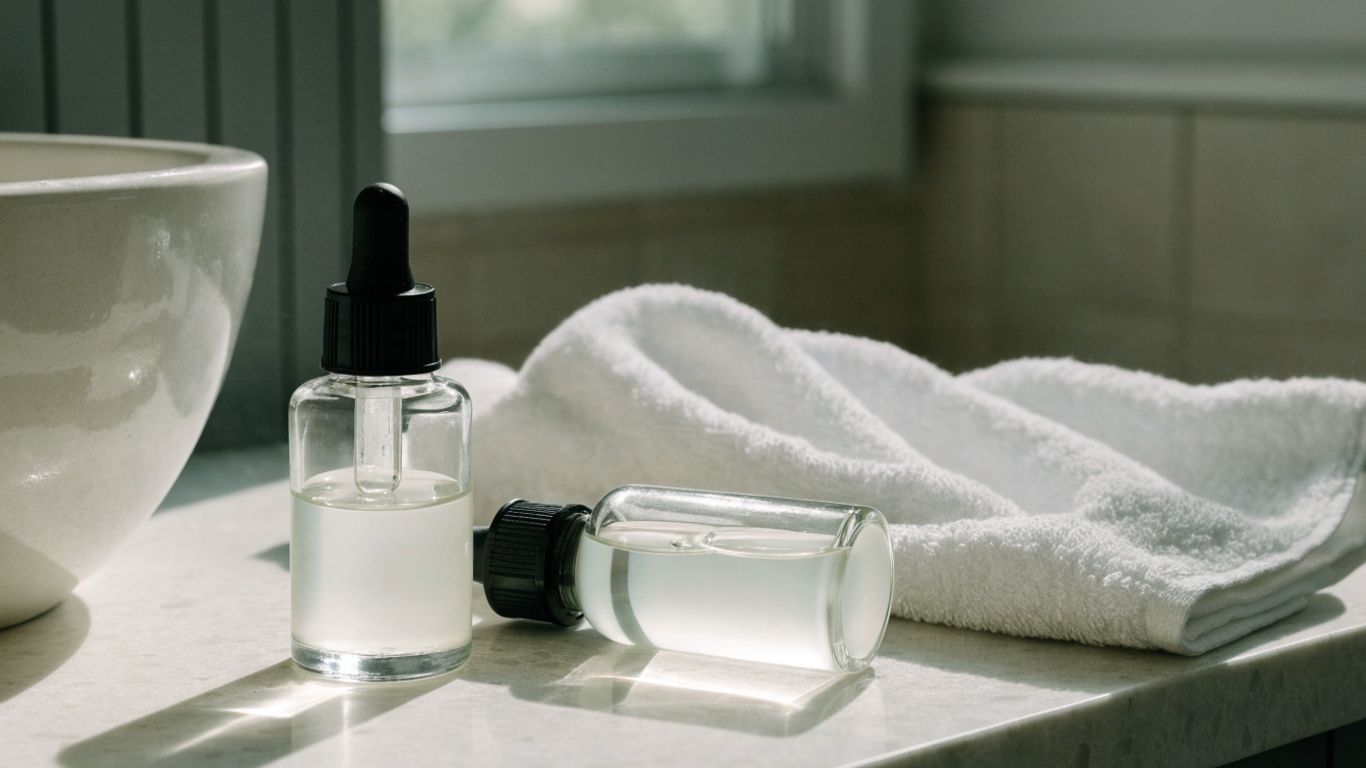
Topical niacinamide and dietary vitamin B3 are not interchangeable. Someone choosing a serum can begin with a product used as directed and pay attention to how their skin responds. If redness, burning, or discomfort persists, I would pause use and ask a clinician or dermatologist for advice.
A steady routine can also make it easier to tell what is helping or irritating your skin. I would avoid adding several new products at once, especially when skin is already reactive. Gentle cleansing and sun protection are practical foundations; an ingredient-focused product can be considered alongside them rather than in place of them.
6. Vitamin B5 for hydration and skin barrier support
Vitamin B5, also called pantothenic acid, is an essential nutrient involved in normal metabolism. It is present in a range of foods, so deficiency is uncommon for most people who eat a varied diet. Skin-care discussions sometimes associate B5 with hydration, but a nutrient’s role in the body is not the same as proof that an oral supplement will moisturize skin.
For a more comfortable routine, I would first look at basic habits and how products feel on the skin. A moisturizer can help reduce dryness, while harsh cleansing or frequent product changes may make discomfort worse. These practical considerations are often more relevant than buying a supplement without a clear reason.
If dryness is persistent, painful, or accompanied by a rash, it may have a cause that vitamins will not address. A healthcare professional can help identify that cause and recommend suitable care. I would treat supplements as a way to meet a genuine nutritional need, not as a substitute for evaluating lasting symptoms.
7. Vitamin B7 (biotin) for skin health
Biotin, or vitamin B7, helps the body process nutrients and is found in a range of foods. A true deficiency can affect skin and other parts of the body, but it is uncommon. The popularity of biotin supplements for appearance can make their benefits sound more certain than the evidence supports for people who are not deficient.
I would be cautious about taking biotin simply because skin looks dull or dry. Those changes can have many explanations, and a supplement may not address the cause. Biotin can also interfere with some laboratory tests, so it is important to tell a healthcare professional about it before having blood work.
Food-first choices are a reasonable place to begin for general nutrition, while persistent symptoms deserve individual attention. If a clinician suspects a deficiency, they can help decide whether testing or supplementation is appropriate. That is a safer path than assuming that more of a vitamin will improve skin.
8. Vitamin B12 for normal skin function
Vitamin B12 is essential for normal nerve and blood cell function, and it supports other processes throughout the body. It is naturally found in animal-derived foods, while some foods are fortified. People following a vegan diet may need a reliable fortified food or supplement source, and individual needs can vary.
Skin changes alone cannot establish that someone has a B12 deficiency. A clinician can consider dietary habits, symptoms, and testing when there is a reason to investigate. I would avoid using a supplement as a diagnostic experiment, particularly if symptoms are persistent or accompanied by other changes in health.
More is not automatically better, and supplements may not be appropriate for everyone. If you already take B12 or are thinking about starting it, consider your diet and health history with a qualified professional. That keeps the focus on meeting a real need instead of expecting a vitamin to produce a specific cosmetic result.
9. Vitamin B2 for skin health
Vitamin B2, or riboflavin, helps the body use energy from food and supports normal growth and cellular function. It occurs in foods such as dairy products, eggs, and some leafy greens and grains. Like other B vitamins, it contributes to overall health rather than acting as a targeted skin treatment.
A varied diet can help provide riboflavin along with other nutrients that the body needs. If you have a restricted diet, a medical condition, or concerns about nutrient intake, I would discuss those details with a healthcare professional. Taking extra riboflavin without a reason is unlikely to explain or solve a skin problem on its own.
Cracks or irritation around the mouth and other skin changes can have many possible causes. It is not possible to identify a vitamin deficiency from appearance alone. When a change lingers, worsens, or concerns you, getting an assessment is more useful than self-diagnosing based on a symptom list.
10. Vitamin K for the appearance of dark circles and bruising
Vitamin K is needed for normal blood clotting, and it is found in foods such as leafy green vegetables. That role is sometimes connected in beauty discussions to bruising or the look of dark circles, but dietary vitamin K should not be presented as a proven fix for either. Dark circles in particular can reflect genetics, sleep, allergies, or other factors.
Bruising that appears frequently, without a clear cause, or alongside other symptoms deserves medical attention. Vitamin K supplements may interact with certain medications, including some used to manage blood clotting, so I would not start one without checking with a clinician. A topical product also cannot diagnose why bruising is happening.
For dark circles, I would keep expectations grounded and consider the broader picture, including sleep, allergies, and skin tone. Persistent or sudden changes are worth discussing with a healthcare professional. Vitamins are important for normal body functions, but they are only one small part of skin health and appearance.
Conclusion
The best approach to vitamins for glowing skin is a measured one: understand each nutrient’s role, get what you need through food or appropriate supplementation, and avoid expecting a single ingredient to transform your complexion. I would prioritize a balanced diet, a comfortable routine, sun protection, and professional advice for persistent concerns over high-dose supplements or quick fixes.
Frequently Asked Questions
Which vitamins are most often associated with skin health?
Vitamins A, C, D, E, and several B vitamins are involved in normal body functions relevant to skin. Their roles do not mean that supplements will improve skin for everyone.
Can vitamins make skin glow?
Correcting a nutrient deficiency may support overall health, but taking extra vitamins is not a guaranteed way to change skin appearance. A healthy-looking complexion depends on many factors.
Is it better to get vitamins from food or supplements?
Food provides a mix of nutrients and is a sensible starting point for most people. Supplements can be useful when there is a specific need, but a healthcare professional can help determine whether one is appropriate.
Does topical vitamin C work the same way as dietary vitamin C?
No. Dietary vitamin C contributes to the body’s nutritional needs, while a topical product is applied to the skin. One should not be treated as a replacement for the other.
Can biotin improve skin if I am not deficient?
There is not a reliable basis for assuming biotin will improve skin in someone who is not deficient. It can also affect some laboratory tests, so mention its use to a healthcare professional.
Should I take vitamin D for my skin?
Vitamin D is important for overall health, but a skin concern alone does not show that supplementation is needed. Ask a healthcare professional whether testing or a supplement makes sense for you.
When should I ask a doctor about a skin change?
Seek advice for a change that persists, worsens, is painful, or comes with unexplained bruising or other symptoms. A clinician can assess possible causes and recommend appropriate care.